

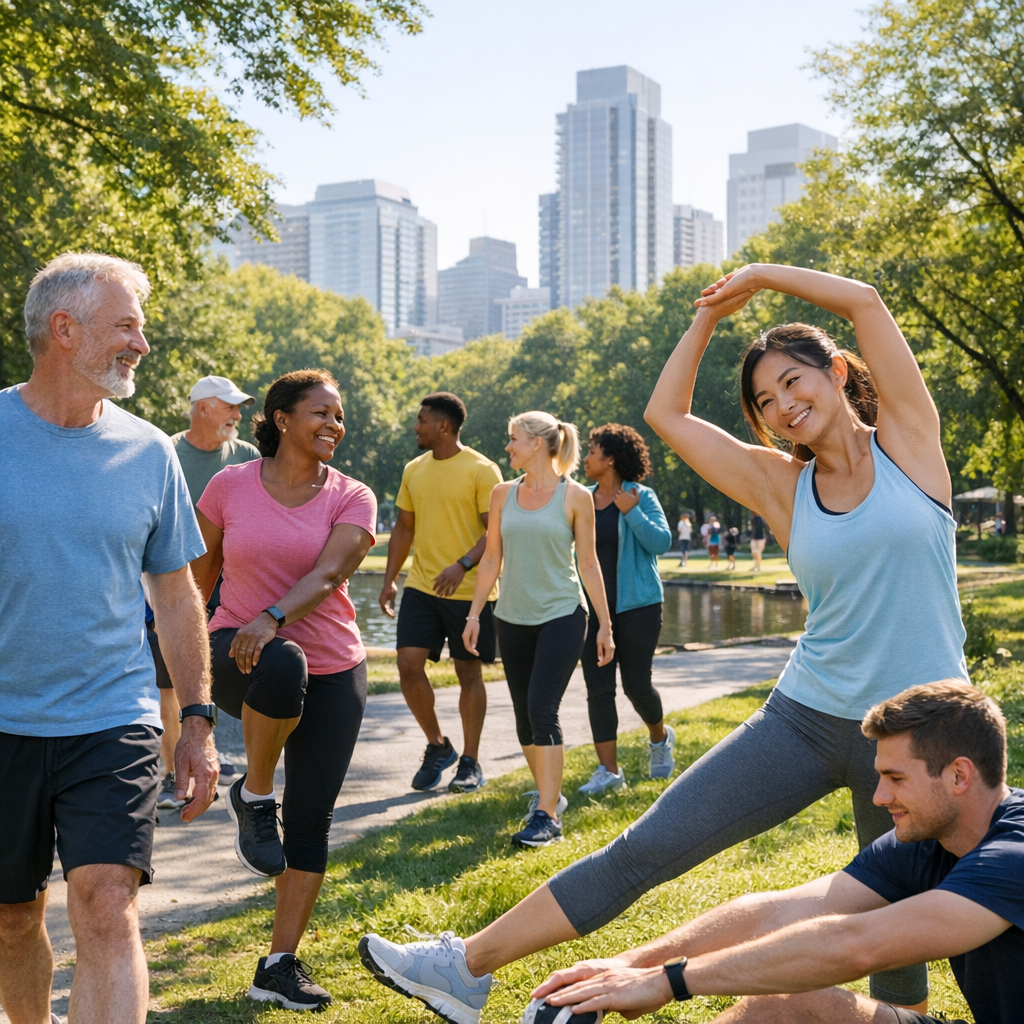
The Impact of Daily Movement on Long-Term Health and Longevity
By PumpPal Updated 3 min read
Explore the science-backed reasons why daily movement—not just formal exercise—matters for your health, longevity, and overall well-being. Learn how small shifts in your routine can add years to your life, plus actionable tips to make movement a natural part of your day.
Why Daily Movement Matters: More Than Just Exercise
We often equate health with structured workouts, but increasing research points to the profound impact of daily movement beyond gym sessions. From walking and stretching to household chores and active commuting, these small bursts of activity combine to create what experts call your non-exercise activity thermogenesis (NEAT).
How Daily Movement Affects Longevity
Multiple epidemiological studies have shown a correlation between frequent movement throughout the day and a lower risk of chronic diseases such as diabetes, heart disease, certain cancers, and even cognitive decline. The World Health Organization (WHO) consistently finds that people who move more tend to live longer, healthier lives.
- Metabolic Health: Regular activity improves insulin sensitivity and helps regulate blood sugar.
- Cardiovascular Support: Movement increases circulation, lowers blood pressure, and reduces systemic inflammation.
- Brain Function: MRI studies suggest even light daily movement supports hippocampal volume, protecting against dementia and depression.
- Joint Mobility and Bone Strength: More motion means better lubrication for joints and prevention of osteoporosis.
Practical Ways to Add More Movement to Every Day
While tracking workouts is crucial, the time spent outside the gym matters too. Here are actionable strategies to help you move more daily—no gym required:
- Take brisk 10-minute walks after meals.
- Set hourly reminders to stand, stretch, or do bodyweight squats.
- Bike or walk for errands instead of driving whenever possible.
- Use a standing desk and shift your position regularly.
- Engage in active hobbies like gardening, playing with pets, or dancing.
Using Technology to Keep Moving
Apps like PumpPal make it easier to monitor both structured exercise and daily spontaneous activity. Logging all forms of movement—including steps, bodyweight moves, and active minutes—provides a holistic view of your health, ensures consistency, and allows you to set targets beyond the gym.
Overcoming Barriers to Frequent Movement
Lack of time is the number one cited barrier to activity, but integrating mini-sessions into your day can be a game-changer. Stuck at your desk? March in place during calls. Watching TV? Stretch or hold a plank during commercials. Layering these habits leads to significant cumulative benefits.
The Science of "Sitting Disease"
Prolonged sitting has been labeled the new smoking by some public health experts. It's linked not just to weight gain, but also impaired metabolism, reduced life expectancy, and poor mood. By regularly interrupting periods of sitting with movement, you can offset many of these negative outcomes.
Create Your Daily Movement Plan
Tracking daily movement—both inside and outside formal workouts—is simple with all-in-one fitness apps. Here’s a blueprint for creating your own movement-promoting plan:
- Start Small: Begin by adding just 5-10 minutes of extra movement per day.
- Mix It Up: Variety keeps movement interesting and prevents overuse injuries.
- Be Accountable: Use PumpPal to log your progress, set daily non-workout movement goals, or share achievements with friends.
- Celebrate Consistency: The key is not perfection but showing up every day, even in small ways.
Conclusion: Move More, Live Longer
It’s clear: every minute of movement counts. By prioritizing daily activity along with your workout routine, you support your heart, brain, metabolic system, joints, and emotional health. Use PumpPal to track all your movement, stay motivated, and reap the maximum rewards for decades to come.
Ready to move? Download PumpPal and start tracking your healthy habits today.