

How to Design an Effective Strength Training Program for Lifelong Progress
Discover the fundamental principles of designing a strength training program for lifelong progress, effective results, and injury prevention. Ideal for beginners and seasoned lifters alike.
Introduction
Strength training goes beyond lifting heavy weights; it’s about crafting a resilient body, preventing injuries, and enjoying sustainable progress throughout your life. Whether you’re a gym newcomer or an experienced athlete, designing an effective strength training program is essential to reach your goals and maintain them. In this comprehensive guide, you’ll learn the key principles, exercise selection, progression methods, and strategies to keep your training engaging and effective using science-backed approaches.
Why a Well-Designed Program Matters
Many people start lifting without a strategic plan, often leading to stalled progress, lack of motivation, or even injuries. An effective strength training program:
- Ensures balanced muscle development
- Promotes consistent progress through periodization
- Reduces risk of plateaus and overtraining
- Keeps workouts enjoyable and purposeful
- Supports longevity and functional fitness
Key Principles of Effective Strength Training Programs
1. Specificity
Your training must align with your goals. Want to build muscle? Prioritize hypertrophy-focused rep ranges. For maximal strength, emphasize heavier loads with lower repetitions. Clearly define your goal – strength, muscle gain, fat loss, or general wellness – to tailor your program accordingly.
2. Progressive Overload
To keep building strength and muscle, consistently challenge your body by increasing weight, reps, volume, or time under tension. A good program includes planned progressions.
3. Variety with Consistency
While new exercises can prevent boredom, sticking to a core set of compound movements allows you to monitor progress accurately. Introduce variation in accessory work or workout structure every 4-8 weeks.
4. Recovery and Adaptation
Your body adapts during rest, not just training. Scheduling rest days and using deload periods help prevent overuse injuries and facilitate growth. Consider sleep, nutrition, and stress management essential elements.
Structuring Your Training Week
Training Splits
- Full Body: 2-3 sessions per week; great for beginners and those with limited time.
- Upper/Lower Split: Alternate upper- and lower-body workouts 3-4 times weekly.
- Push/Pull/Legs: Ideal for intermediates aiming for more training volume.
Key Movement Patterns
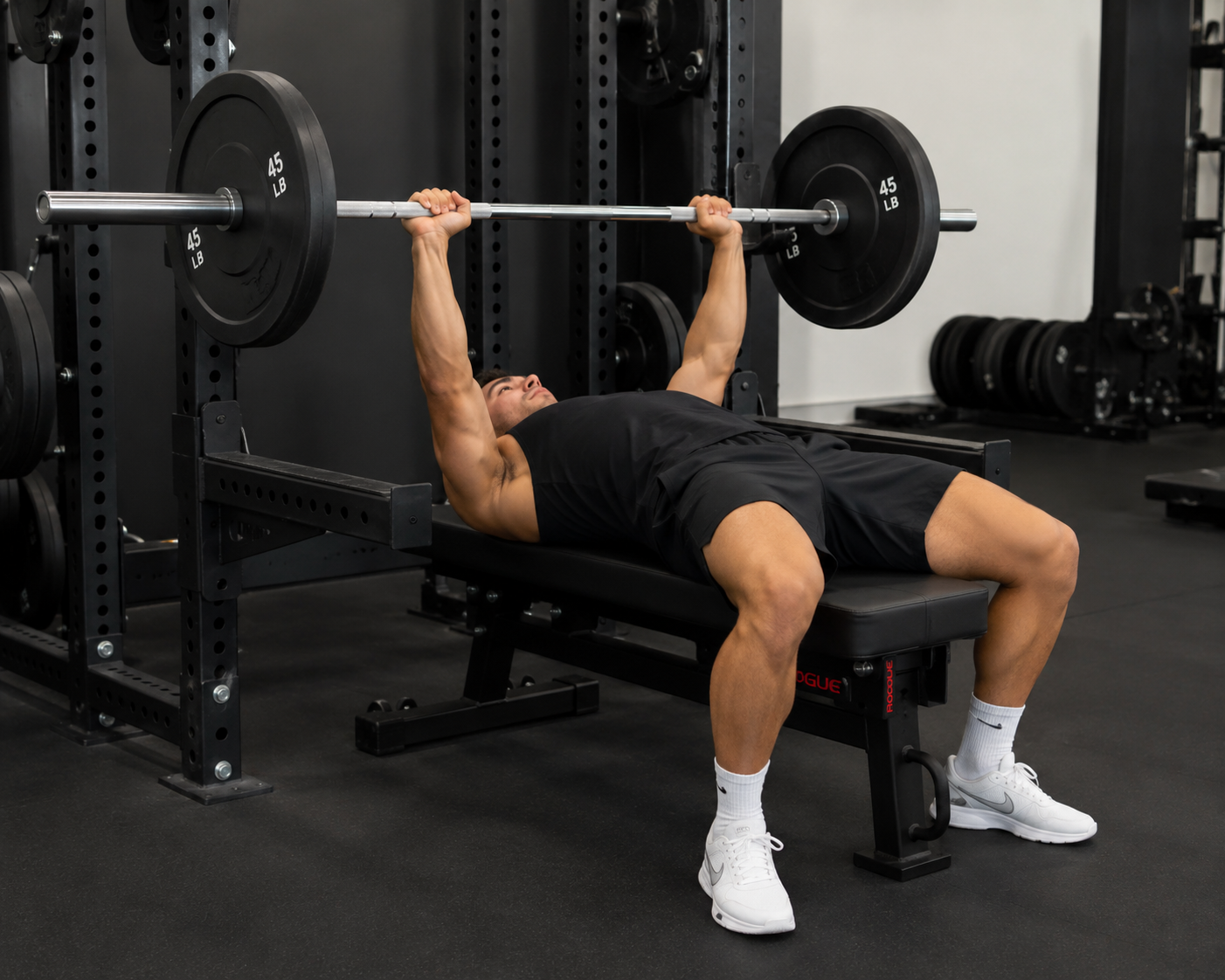
- Push: Chest/shoulder/triceps (bench presses, overhead presses)
- Pull: Back/biceps (rows, pull-ups)
- Hinge: Glutes/hamstrings (deadlifts, hip thrusts)
- Squat: Quads/glutes (squats, lunges)
- Carry/Core: Planks, loaded carries
Periodization for Lifelong Progress
Stagnation is common when you train the same way for too long. Periodization—systematically varying your training intensity and volume—keeps your body adapting and lowers injury risk. Popular periodization models include:
- Linear: Gradual increases in intensity with consistent volume adjustments.
- Undulating: Varying intensity and volume within a week or microcycle for more dynamic adaptation.
- Block: Focusing on one goal (e.g., strength, hypertrophy) per training block before progressing to the next focus area.
Choose the model that aligns with your level and lifestyle, making sure to track your workouts for measurable progress.
Injury Prevention and Mobility
Include warm-ups with dynamic stretches (like arm circles, bodyweight squats) before lifting and cooldowns with static stretching post-workout. Regularly assess your mobility and correct muscle imbalances by integrating single-leg or unilateral exercises and addressing weak points.
Tracking and Reviewing Your Progress
The best programs include a habit of tracking exercises, weights, reps, and how you felt each session. With tools like PumpPal, you can log every detail, review body measurements, and compare progress photos without worrying about hidden fees or subscriptions – ensuring you stay motivated and accountable.
Sample Full-Body Beginner Program
- Squat (or goblet squat): 3x8-10 reps
- Bench Press (or push-up): 3x8-10 reps
- Row (machine or bent-over): 3x10-12 reps
- Deadlift (or Romanian deadlift): 3x8 reps
- Plank: 3x30 seconds
Start with manageable weights and focus on technique. Increase load or reps as your strength improves.
Consistent Progress for a Lifetime
By applying these principles and leveraging modern workout tracking tools like PumpPal, you can ensure consistent, measurable progress over the years. Remember: No program is set in stone. Stay flexible, listen to your body, and don’t be afraid to adapt as your lifestyle and goals evolve.
Conclusion
An effective strength training program is a lifelong investment in your health, fitness, and self-confidence. Take time to plan, track, and adjust your plan, and you'll enjoy the rewards for decades. Ready to start? Download PumpPal, build your own program, and capture every milestone on your journey.