

The Role of Fiber in Muscle Gain and Fat Loss
Uncover how dietary fiber can help you achieve your muscle growth and fat loss goals through improved nutrition, appetite control, and metabolic health.
Why Fiber Matters Beyond Digestion
Most people associate fiber with gut health, but research shows it also plays a key role in body recomposition—building muscle and losing fat. Fiber-rich diets support digestive health, satiety, metabolic function, and even hormonal balance, all of which contribute to fitness progress.
How Fiber Influences Muscle Gain
Adequate dietary fiber can help you build muscle in several ways:
- Optimizing Nutrient Absorption: Balanced fiber intake keeps the gut healthy, which helps you absorb key muscle-building nutrients from your food.
- Regulating Blood Sugar: Stable blood sugar after meals means more steady energy for workouts and recovery, minimizing fat storage and supporting muscle growth.
- Reducing Inflammation: High-fiber diets are linked to lower inflammation levels, helping your muscles recover more quickly.
How Fiber Aids Fat Loss
- Appetite Control: Fiber slows digestion, keeping you feeling full and reducing the risk of overeating.
- Lower Calorie Density: High-fiber foods tend to have fewer calories per gram, helping you eat more volume while taking in fewer total calories.
- Better Insulin Sensitivity: Fiber improves your body’s response to insulin, encouraging fat burning and less fat storage.
Scientific Evidence
Research indicates that higher fiber intake correlates with lower body fat, lower BMI, and greater weight stability. Some studies also suggest fiber helps preserve lean muscle during weight loss phases.
How Much Fiber Do You Really Need?
The Institute of Medicine recommends about 25g daily for women and 38g for men, but athletes may benefit from the higher end of this range. Increase intake gradually to prevent digestive discomfort.
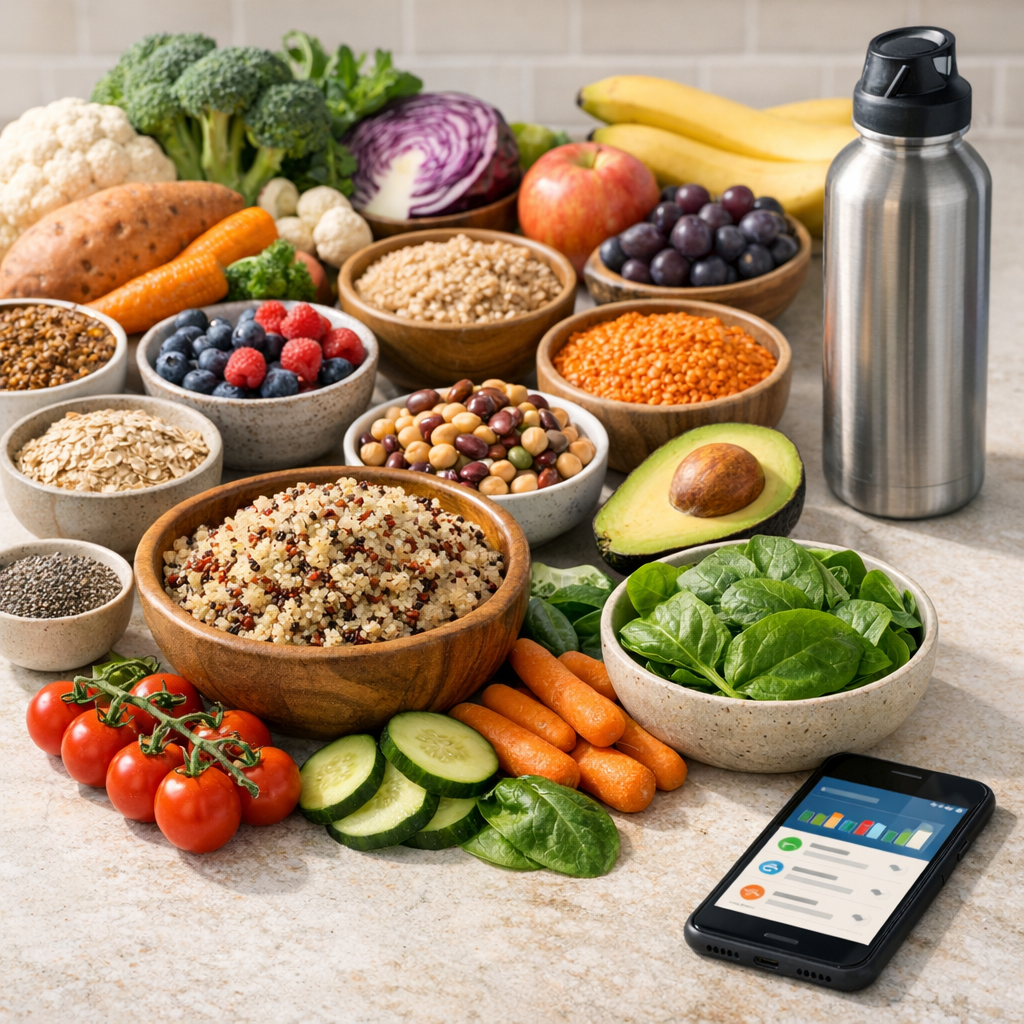
Best Sources of Dietary Fiber
- Vegetables—broccoli, carrots, Brussels sprouts
- Fruits—apples, berries, pears
- Whole grains—oats, brown rice, quinoa
- Legumes—beans, lentils, chickpeas
- Nuts and seeds—chia, flax, almonds
Tips to Boost Fiber Intake for Muscle Gain and Fat Loss
- Prioritize high-fiber foods at every meal.
- Replace white grains with whole grains.
- Snack on raw veggies, fruit, or nuts instead of processed foods.
- If using fiber supplements, monitor total intake to avoid excess.
Potential Pitfalls and Solutions
Sudden increases in fiber may cause bloating or discomfort. Gradually increase your intake and drink plenty of water for optimal results. Remember, balance is key; excessively high fiber can interfere with nutrient absorption if not paired with enough protein and healthy fats.
Monitoring Progress with Fiber-Rich Nutrition
Track your nutrition and physical progress using apps like PumpPal, which allow you to correlate dietary changes with body composition, workout performance, and visual progress. Use body measurements and photos to see the subtle benefits of improved nutrition over time.
Conclusion
Fiber isn’t just for digestion—it's a powerful ally in your journey toward muscle gain and fat loss. Adjust your intake, prioritize quality sources, and monitor your results for maximum impact.