

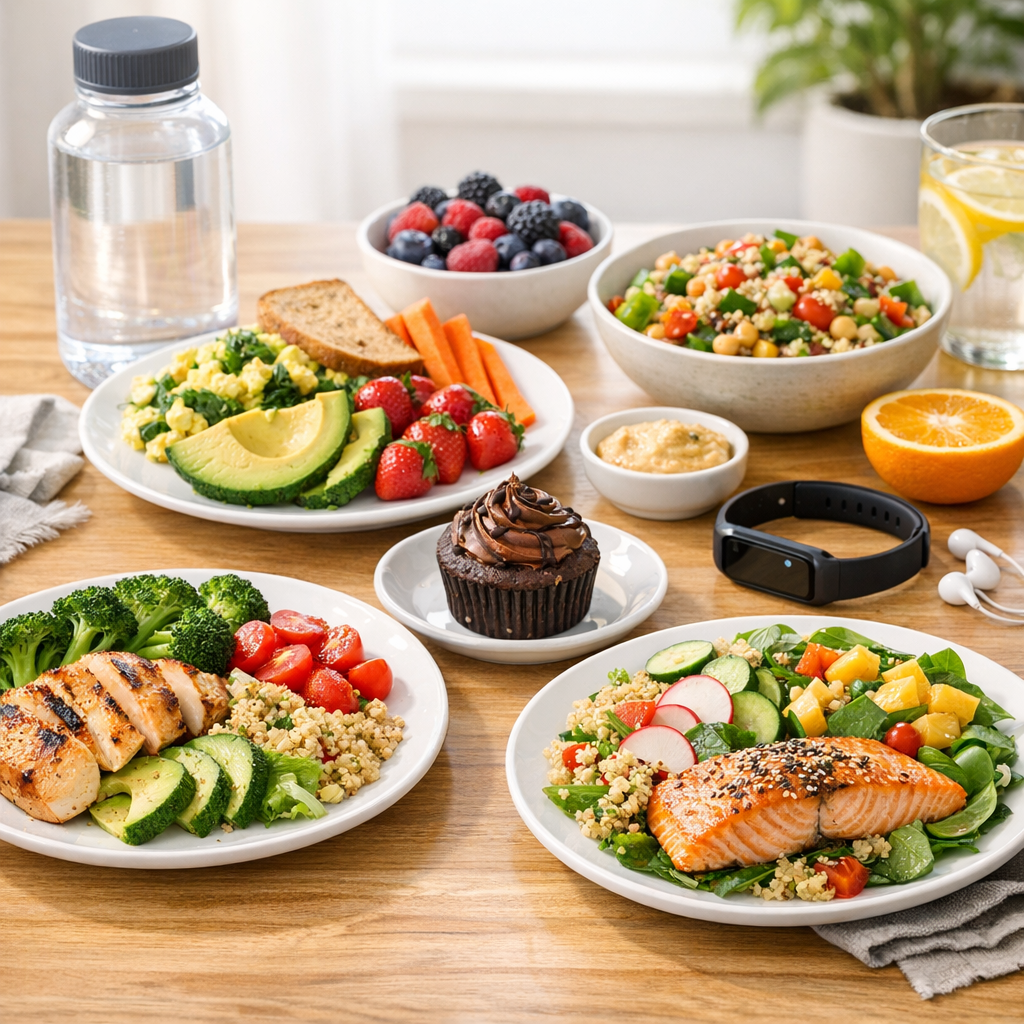
The Ultimate Guide to Flexible Dieting: Achieve Your Fitness Goals Without Restriction
Discover the science and strategies behind flexible dieting for fitness success. This detailed guide covers core principles, flexible meal planning methods, tracking strategies, and staying consistent for the long term.
Introduction to Flexible Dieting
For decades, the fitness industry has promoted rigid diets, demonized certain foods, and equated restriction with results. But what if reaching your health and fitness goals could be simpler—and more sustainable? Flexible dieting (also known as IIFYM, or "If It Fits Your Macros") offers a refreshing, science-backed alternative that prioritizes results, sanity, and lifestyle balance over unnecessary strictness.
What Is Flexible Dieting?
Flexible dieting is a nutritional framework where, rather than following a fixed meal plan or eliminating certain food groups, you allow all foods in moderation as long as your calorie and macro goals are met. Instead of labeling foods 'good' or 'bad,' you fit a variety of foods into your daily targets, making adherence much easier and cravings more manageable.
The Science Behind Flexible Dieting
Countless studies confirm that weight loss and muscle gain are primarily determined by energy balance (calories consumed versus calories burned) and macronutrient composition (proteins, fats, carbohydrates). As long as your total calories and macros are on target for your goals, there's significant flexibility in how you choose to fill them.
Core Principles of Flexible Dieting
- Set calorie and macro targets: Use a calculator or an app like PumpPal to estimate your daily energy and macronutrient needs based on your age, sex, activity level, and goals.
- Track your food intake: Consistency is key. Log your foods using a tracking app, paying attention to protein, carbohydrates, and fats.
- Allow for flexibility: If you want pizza or chocolate, you can have them—as long as they fit your daily goals.
- Prioritize whole foods: While no foods are strictly off limits, most of your nutrition should come from nutrient-dense sources for health and performance.
Benefits of Flexible Dieting
- Reduces the temptation to binge on "forbidden" foods
- Teaches portion control
- Fits any lifestyle, including eating out or social occasions
- Encourages a healthy relationship with food and decreases guilt
- Proven to support long-term results versus rigid diets
How to Get Started With Flexible Dieting
- Calculate Your Needs: Determine your calorie target for your specific goal (weight loss, maintenance, or muscle gain) and break this into macro targets.
- Choose a Tracking Method: Use tools like PumpPal to track food, body measurements, and progress photos alongside your workouts for overall accountability.
- Plan Ahead: Meal prepping or logging your food intake in advance makes it easier to hit your targets while still enjoying variety.
- Adjust as Needed: Your metabolism adapts over time. Review your progress every few weeks and adjust your targets if fat loss or muscle gain stalls.
Flexible Dieting Myths Debunked
- "It’s just an excuse to eat junk food." The system encourages moderation—junk food can fit, but nutrient-rich options should be the foundation.
- "You can eat whatever you want and lose weight." Results still depend on staying within calorie and macro targets.
- "Tracking is time-consuming." With digital tools and barcode scanning, logging meals takes minutes per day.
Integrating Flexible Dieting With Your Fitness Routine
Whether you're focused on powerlifting, bodybuilding, or general wellness, flexible dieting pairs perfectly with consistent training. Log your workouts and progress photos in PumpPal while also tracking your nutritional intake for a 360-degree view of your results. The visual feedback from progress tracking—especially when combined with accurate nutritional data—is a potent motivator for staying on course.
Practical Tips for Success
- Focus on high-protein foods to support muscle growth and satiety.
- Fill your plate with vegetables and fruits for fiber and micronutrients.
- Keep fun foods as a small part of your overall intake.
- Plan for social events by budgeting some calories for treats or eating lighter earlier in the day.
- Don't let perfect be the enemy of good—consistency over weeks and months matters more than any single day.
Conclusion: Flexible Dieting is Sustainable Dieting
By shifting away from all-or-nothing dieting mentalities and embracing a flexible, tracked approach, you can enjoy the foods you love, support your workouts, and build a healthier body for the long term. Start logging your foods, workouts, and progress with PumpPal to see real results—without the stress of restriction.