

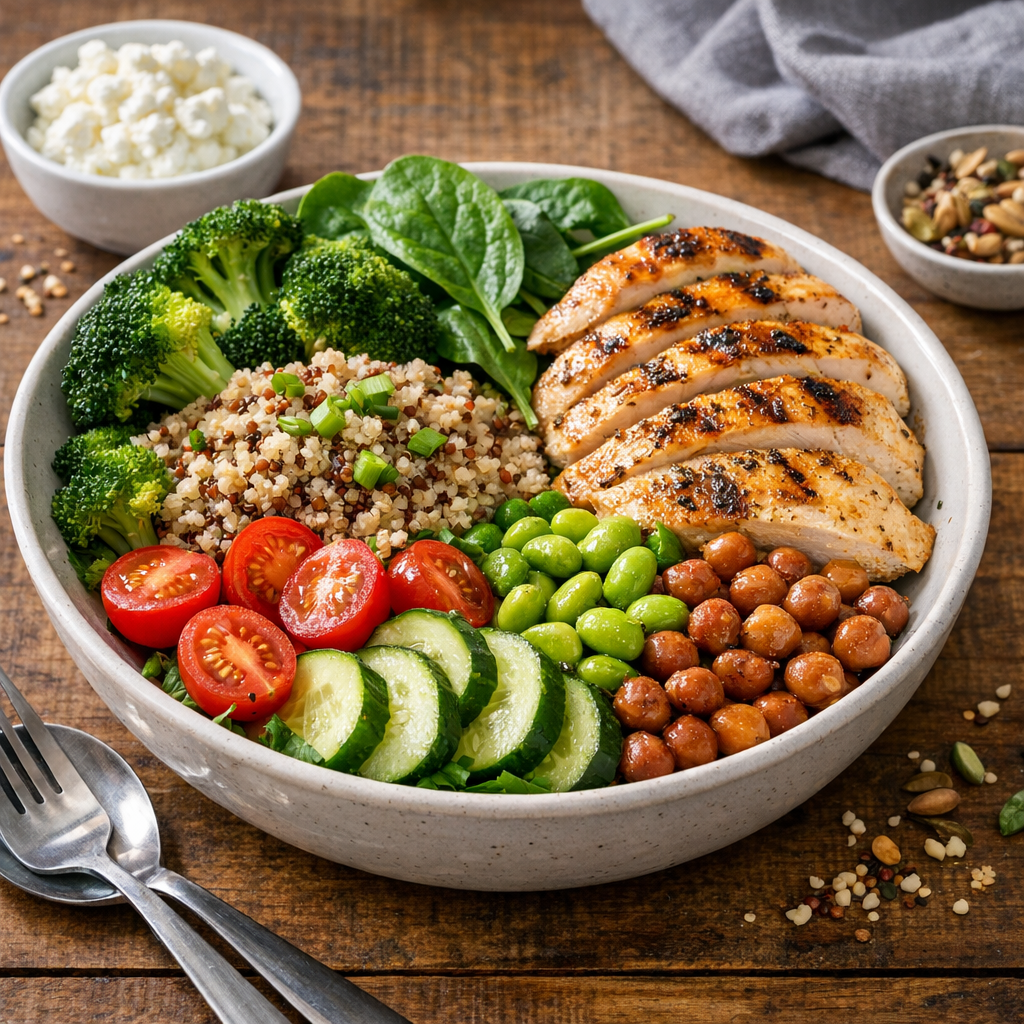
The Truth About High-Protein Diets for Lifters: Benefits and Misconceptions
High-protein diets are popular among lifters, but do you really need massive amounts? Uncover the science-backed truth on benefits, ideal dosages, and common misconceptions for muscle growth and performance.
Why Protein Is Essential for Lifters
Protein is made up of amino acids, which serve as the building blocks for muscle tissue. During intense lifting or resistance training, your muscles experience microscopic damage—an essential precursor to growth. Consuming enough protein supports muscle repair, maintenance, and growth, making it a top priority for anyone pursuing bigger, stronger muscles.
Recommended Protein Intake for Strength Athletes
How much is enough? The American College of Sports Medicine recommends 1.2–2.0 grams of protein per kilogram of body weight for athletes and lifters. For most serious lifters, this equates to about 0.7–1 gram per pound. More isn’t always better: studies show intakes above roughly 1 gram per pound offer diminishing returns for muscle growth.
High-Protein Diet Benefits: What the Science Says
- Increased Muscle Protein Synthesis: Adequate protein directly stimulates muscle creation and recovery.
- Satiety and Fat Loss: Protein is the most satiating macronutrient, helping lifters stay lean even during bulking phases.
- Boosted Thermic Effect: Digesting protein burns more calories, slightly increasing daily energy expenditure.
Common Misconceptions About High-Protein Diets
- “Too much protein is dangerous for your kidneys”: Studies in healthy adults show that higher protein intakes are safe for kidneys, unless a pre-existing condition exists.
- “You need to eat protein every 2–3 hours”: While spreading intake throughout the day is beneficial, total daily protein is far more important than exact meal timing.
- “Animal protein is superior for muscle growth”: Animal sources often provide a complete amino acid profile, but plant-based combinations (like beans and rice) can also fully support muscular development.
Best Protein Sources for Lifters
- Lean meats (chicken, beef, turkey)
- Eggs and dairy
- Fish and seafood
- Legumes and pulses
- High-quality protein powders (whey, casein, certain vegan blends)
Aim for a variety, as different sources offer unique micronutrients and absorption rates.
Practical Tips for Hitting Daily Protein Goals
- Make protein the centerpiece of each meal or snack.
- Prep protein-rich foods ahead—grilled chicken, Greek yogurt, cottage cheese, lentils.
- If needed, supplement with shakes for busy days or after workouts.
- Use tracking apps (like PumpPal) to monitor daily intake alongside workouts and progress photos, ensuring your diet matches your goals.
Do You Need More Protein When Bulking or Cutting?
During intense muscle-building (bulking), aim for the higher end of protein recommendations. While cutting, keeping protein intake high preserves lean mass as body fat drops. Both phases benefit from solid, consistent protein intake tailored to your body weight and activity level.
Potential Downsides of Excessive Protein
While high-protein diets are generally safe, excessively high amounts may come at the expense of carbohydrates and fats, which play vital roles in energy, hormone balance, and long-term health. Digestive discomfort is possible when intake skyrockets, so gradually increase protein and balance meals with fiber-rich veggies and healthy fats.
The Enduring Role of Protein for Lifters
High-protein diets are powerful for muscle-building, provided you get enough without crowding out other nutrients. Focus on whole food sources, consistent daily intake, and personalized tracking for the best results. Remember, tools like PumpPal let you log nutrition, workouts, and progress photos—making it easier than ever to optimize your approach for both gains and longevity.