

The Role of Nutrition Timing in Maximizing Workout Results
Nutrition timing can be the edge you need to elevate your performance and body composition. Learn how what and when you eat influences workouts and recovery.
What is Nutrition Timing and Why Does It Matter?
Nutrition timing refers to the strategic scheduling of meals and snacks around workout sessions to enhance performance, recovery, and changes in body composition. While total daily nutrition is still the most important factor, research shows that nutrient timing can make a tangible difference for athletes and dedicated lifters.
Pre-Workout Nutrition: Fueling Success
- Carbohydrates: Consuming carbs 1–3 hours before a workout replenishes muscle glycogen, giving you more energy and stamina.
- Proteins: A moderate portion of protein pre-workout (such as a shake or lean meat) provides amino acids to protect muscle tissue during high-intensity activity.
- Fats: Keep fats minimal pre-workout, as they slow digestion and can make you feel sluggish.
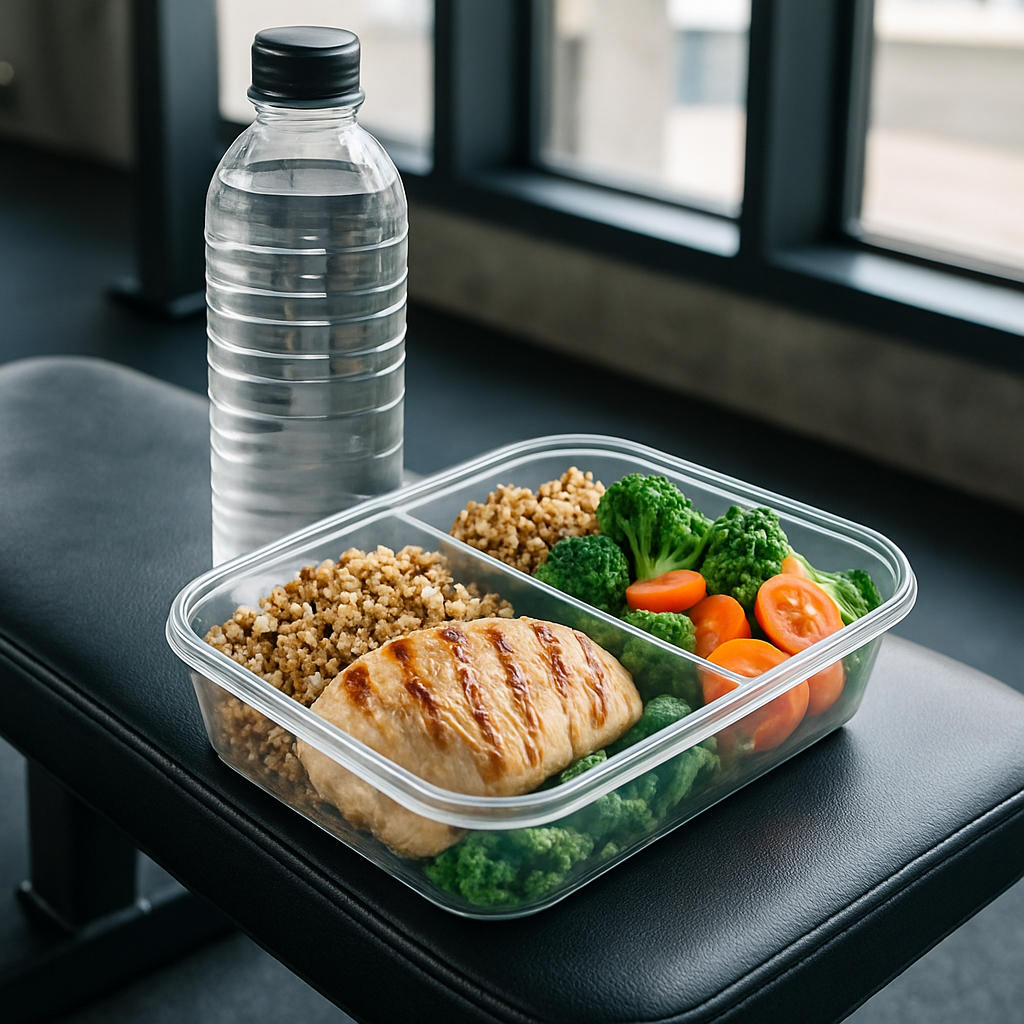
Sample pre-workout meal: chicken breast, brown rice, and steamed broccoli (2 hours before training).
Post-Workout Nutrition: Recovery and Growth
- Protein: Consuming 20–40g of high-quality protein within two hours post-exercise maximizes muscle protein synthesis.
- Carbohydrates: Post-workout carbs replenish lost glycogen and blunt muscle breakdown, especially after intense or long-duration workouts.
- Hydration: Drink water or electrolyte-rich fluids to replace sweat loss and optimize cellular recovery.
Contrary to popular belief, the 'anabolic window' is less urgent than once thought—benefits remain for several hours post-training. However, if you train fasted or haven’t eaten for several hours before your workout, it is beneficial to eat as soon as possible after.
Intra-Workout Nutrition: For Endurance and High-Volume Sessions
- Workouts exceeding 90 minutes—especially endurance or intense lifting—may require intra-workout carbs (sports drinks, gels) to sustain energy and performance.
Biological Clocks: The Circadian Influence on Nutrition
Timing your meals in alignment with your circadian rhythm can also affect fat metabolism and muscle protein synthesis. Eating late at night may impair insulin sensitivity and recovery for some individuals. Experiment to find what schedule optimizes your sleep, performance, and digestion.
Special Considerations for Fat Loss vs. Muscle Gain
- Fat Loss: Prioritize a slight calorie deficit and sufficient protein at each meal. Eating larger meals earlier in the day may be advantageous for appetite control.
- Muscle Gain: Ensure protein intake is evenly spaced (every 3-5 hours), with carbs surrounding workouts to maximize anabolic response.
Practical Strategies to Implement Nutrition Timing
- Plan meals and snacks around your workout schedule each week.
- Use PumpPal’s nutrition and workout log to monitor patterns and results over time.
- Listen to your body: energy, recovery, and hunger signals are your best guide.
Frequently Asked Questions
- Should I eat if I train early in the morning? If you feel weak or get lightheaded, consume a small carb+protein snack. If you prefer fasted training and see good results, that’s fine too—just eat promptly afterward.
- What if I miss a meal post-workout? Try to eat as soon as practical. Consistency matters more than perfect timing.
- Do supplements (like BCAAs) matter? For most people, a well-balanced diet gets the job done. BCAAs might help if you train fasted, but whole protein sources are best.
Conclusion: Master Nutrition and log progress with PumpPal
The best nutrition timing strategy is one you can stick to. PumpPal allows you to track your progress. It tracks your workouts, progress photos, measurements and helps you stay motivated with your reasons.
Search your App Store for PumpPal Physical Activity Logs or click the image below to learn more.