

How to Optimize Your Training Volume for Maximum Gains
Maximize strength and muscle development by understanding training volume. Explore effective volume ranges, practical programming tips, and how to adjust for your goals.
What Is Training Volume and Why Does It Matter?
Training volume refers to the total amount of work performed during a workout or over a period of training. Typically, in resistance training, it is calculated as the total number of sets multiplied by repetitions, and often by weight used (Sets x Reps x Weight). Volume is a crucial driver of muscle hypertrophy (growth) and strength adaptation, and balancing volume correctly is essential to optimize both progress and recovery.
Science Behind Training Volume and Muscle Growth
Research has consistently shown that higher training volumes — up to a point — lead to greater muscle hypertrophy. According to a 2017 meta-analysis published in the Journal of Sports Sciences, performing multiple sets per exercise (at least 2–3) significantly increases strength and hypertrophy compared to single-set programs. However, there is a threshold where returns diminish or risk of overtraining increases.
- Beginner lifters: 10–15 sets per muscle group weekly is effective for gains.
- Intermediate/advanced lifters: May need 15–25+ sets weekly per muscle group to continue making progress.
- Strength vs. hypertrophy: Lower volumes (but heavier weights) build strength, while moderate to higher volumes with moderate intensity favor muscle growth.
Individualizing Volume: Listen to Your Body
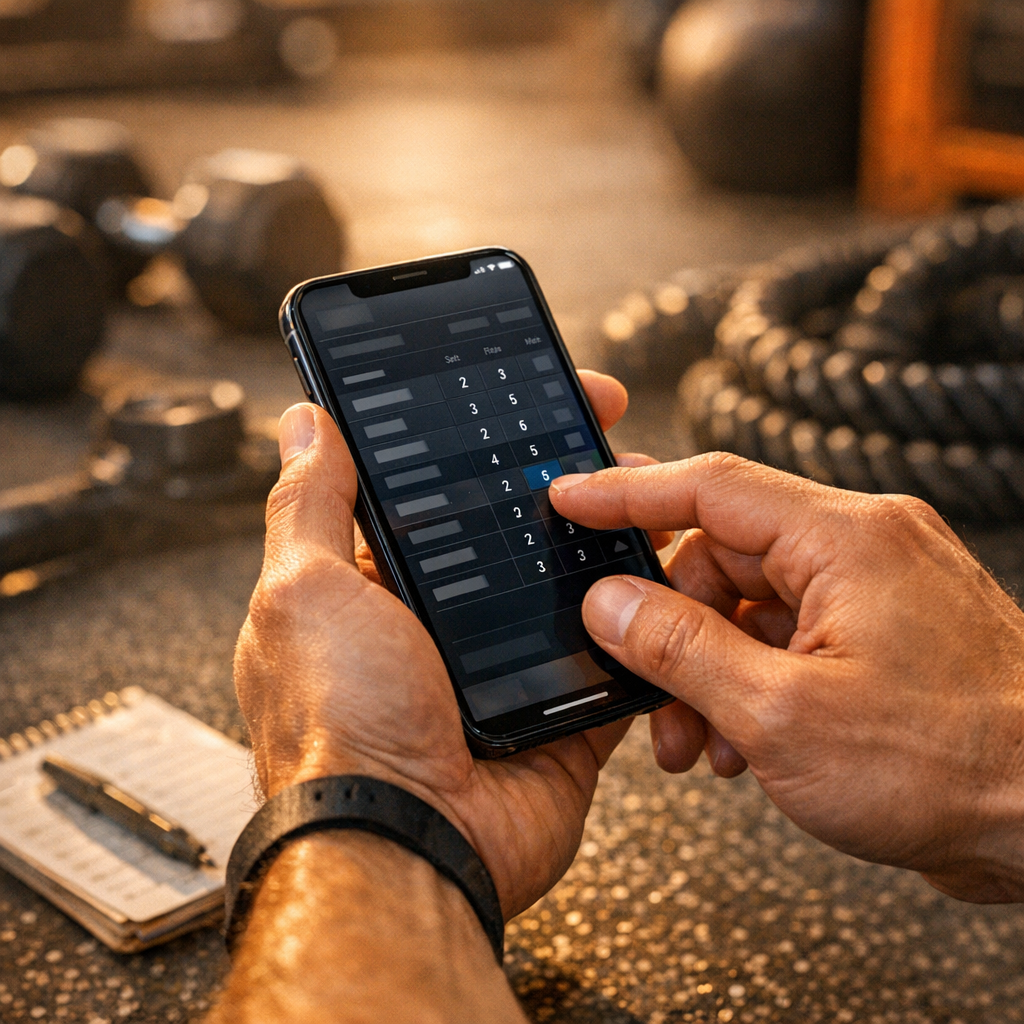
No two bodies respond identically to training volume. Factors such as age, genetics, recovery capacity, sleep, nutrition, and stress levels influence your ideal range. The best approach is to start within the recommended range and use a workout tracking app, like PumpPal, to log your sets, reps, and how you feel (energy levels, soreness, motivation) over time.
Warning Signs of Excess Volume
- Chronic soreness that lingers more than 2–3 days
- Declining performance or motivation
- Trouble sleeping or increased irritability
- Frequent illness or injury
Practical Strategies for Managing Training Volume
- Plan Periodic Deloads: Every 4–8 weeks, reduce volume by 30–50% for one week to allow recovery.
- Track Progress: Use visual tools and data, such as PumpPal’s logs and graphs, to spot plateaus or peaks in your training.
- Progressive Overload: Gradually add sets, reps, or weight over time. Small, consistent increases drive sustainable growth.
- Consider Split Routines: Train different muscle groups on different days to allow recovery while maintaining high weekly volume.
- Monitor Recovery: Sleep, nutrition, and stress management are as crucial as your plan. Note how you feel after each session and adjust accordingly.
Adapting Volume to Plateaus and Life Events
If you notice stagnation despite effort, audit your volume and recovery practices. Use progress photos, body measurements, and training logs within PumpPal to help identify changes in muscle size or composition. If life interferes (work, travel, family), reduce volume but keep intensity or frequency steady to maintain results.
How to Use Technology to Find Your Ideal Volume
Modern workout apps like PumpPal eliminate guesswork by tracking every training variable, from sets and reps to subjective fatigue. By reviewing your data and making small, periodic adjustments, you create a data-driven plan tailored to your body and lifestyle.
Conclusion: Make Training Volume Work for You
There is no one-size-fits-all prescription for training volume. Starting with evidence-based guidelines, listening to your body, and leveraging technology ensures you optimize every workout for muscle gain, performance, and long-term progress. Stay consistent, track your data, and rely on PumpPal as your guide to smarter training and sustainable results.