

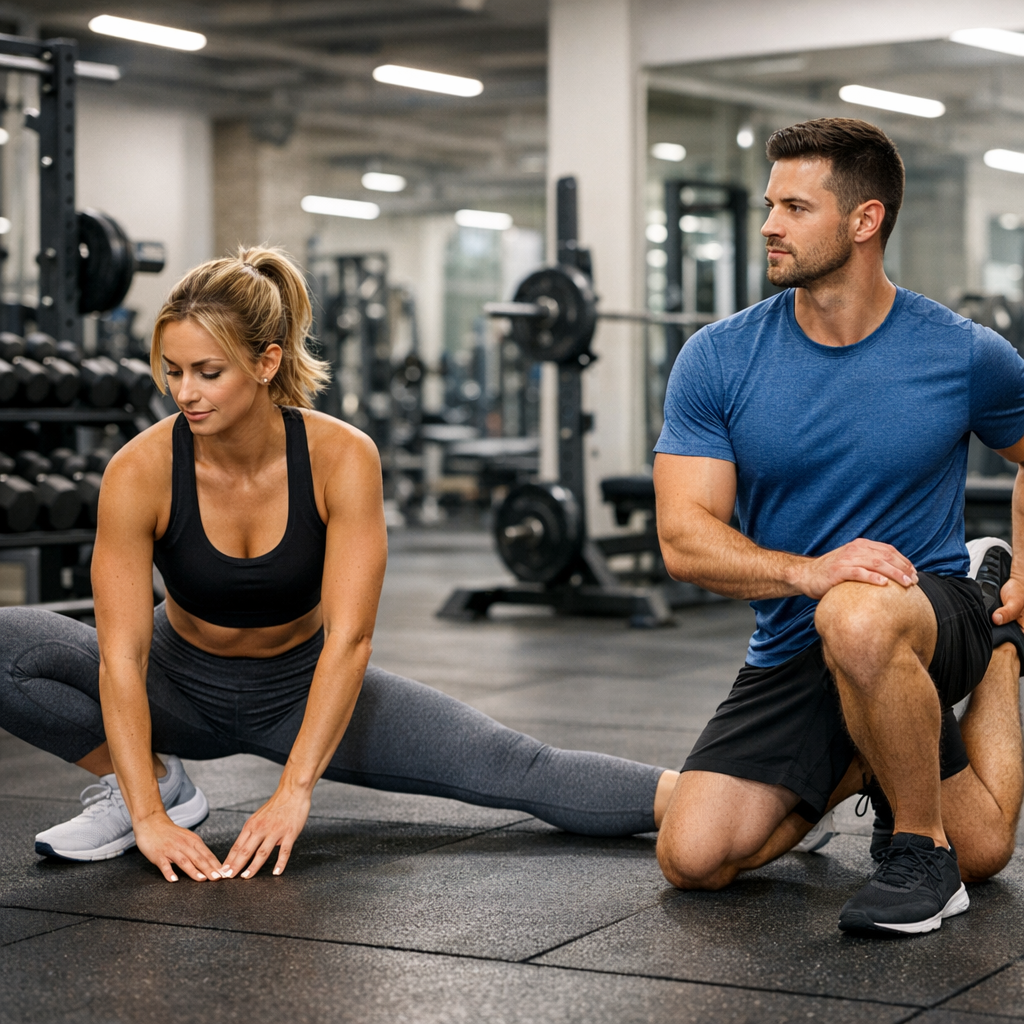
Smart Strategies to Prevent Workout Injuries and Stay on Track
Learn how to prevent common workout injuries with smart training strategies. Improve safety, consistency, and progress with actionable, science-based tips backed by the latest research.
Introduction: Why Preventing Workout Injuries Matters
Every fitness journey is driven by the desire to become stronger, healthier, or more athletic—but nothing derails progress quite like an unexpected injury. Preventing workout injuries is critical for maintaining consistency, accelerating gains, and ultimately reaching your physique or performance goals. Whether you’re a beginner or a seasoned athlete, understanding and applying effective injury-prevention strategies can keep you on track, confident, and pain-free.
Understanding the Most Common Workout Injuries
Before delving into prevention, it's important to recognize which injuries are most prevalent during exercise routines. Research shows that the following are the most common:
- Strains and Sprains: Often due to improper form, excessive load, or inadequate warm-up.
- Tendinitis: Repetitive motion—especially in the shoulders, elbows, and knees—can overload the tendons.
- Back Injuries: Frequently linked to poor form during heavy lifts or lack of core stability.
- Knee Pain: Stem from improper tracking during squats or lunges, or weak supporting muscles.
- Stress Fractures: Common in high-impact activities or from excessive training without adequate rest.
Fortunately, most of these injuries can be prevented with a proactive approach.
Warm-Up and Mobility: The First Line of Defense
A structured warm-up not only increases core body temperature and blood flow, but also mentally prepares you for your session. Dynamic stretches and movement prep are strongly backed by studies for reducing injury risk.
- Example Warm-Up: 5-10 minutes moderate cardio, followed by dynamic mobility specific to your workout (e.g., arm circles, leg swings, hip openers).
- Activation Drills: Glute bridges, band walks, scapular push-ups—these prep stabilizing muscles to support correct form.
Perfecting Technique and Form
One of the leading causes of gym injuries is poor exercise technique. Training with impeccable form ensures that muscles, not connective tissues or joints, bear the brunt of your workload.
- Film your sets or work with a coach to spot technical errors.
- Progressively increase weight only once form is mastered at lower loads.
- Pause and reset if you feel unstable or notice form breakdown—never force a rep.
Progressive Overload, Not Sudden Jumps
“Too much, too soon” is a recipe for setbacks. The body—muscles, tendons, ligaments—adapts incrementally. Ramp up training volume and intensity gradually:
- Adopt the 10% rule: Increase weekly volume (weight, reps, sets, or time) by no more than 10%.
- Alternate harder and easier sessions; use deload weeks every 4-8 weeks depending on your level.
- Prioritize recovery, sleep, and stress management.
Accessory Work: Supporting Joint Health and Balance
Neglecting accessory exercises can create imbalances that may lead to overuse injuries. Include isolation and stability work targeting rotator cuffs, hips, and core:
- Add shoulder external rotation, face-pulls, and single-leg work to strengthen and stabilize joints.
- Don’t skip basic core exercises like planks, dead bugs, and side bridges.
Listening to Your Body and Active Recovery
Soreness is normal, sharp pain is not. Recognize early warning signs: joint aches, persistent soreness, and fatigue are signals to reduce intensity, take recovery days, or seek professional advice. Techniques for faster recovery include:
- Foam rolling and self-massage
- Consistent sleep schedule
- Hydration and anti-inflammatory nutrition (plenty of fruits, vegetables, omega-3 fats)
The Role of Tracking: How PumpPal Can Help Prevent Injuries
Consistent progress tracking is more than a motivational tool—it helps spot overtraining patterns, early warning signs, and ensures you’re not pushing beyond recovery capacity. With PumpPal, you can:
- Record each workout and note fatigue or pain levels
- Set and adjust lifting loads and training volume responsibly
- Review trends in progress photos and body measurements to identify overuse risks
PumpPal’s custom workout plan builder helps you structure sessions smartly and built-in progress logs ensure your approach remains sustainable and injury-free.
Conclusion: Make Injury Prevention a Habit
Building injury prevention into your routine doesn’t have to be complicated but it must be consistent. Prioritize well-structured warm-ups, technique, gradual progressions, and intentional recovery. Use tracking tools like PumpPal to stay mindful of your body’s performance—and keep training for the long run.