

How Progressive Resistance Fuels Muscle and Strength Gains
Progressive resistance is the key to building muscle and strength. Explore how this principle works, plus practical tips for tracking progress and planning your workouts with PumpPal.
Understanding Progressive Resistance
Progressive resistance is a simple yet powerful fitness principle: continually increasing the demands placed on your muscles over time. Without progressive overload, your body adapts to current exercise intensity, and gains plateau. Whether lifting weights, training calisthenics, or using resistance bands, adding stress in a planned, gradual manner is the path to lasting muscle and strength development.
Why Muscle and Strength Require Progressive Overload
Muscle and strength growth are biological adaptations. When you challenge your muscles beyond their accustomed workload, the body responds by building stronger, bigger muscle fibers to meet those demands. If training remains the same week after week, your body has no reason to continue improving. This is true for beginners and experienced lifters alike.
Research-Backed Benefits of Progressive Resistance
- Maximized Hypertrophy: Studies in the Journal of Strength and Conditioning Research show that increasing loads over time results in greater muscle growth compared to repeating the same routine.
- Steady Strength Increases: Regularly upping resistance enhances neural adaptations and recruitment of muscle fibers, boosting overall strength.
- Reduced Injury Risk: Gradual progress gives the body time to adapt, strengthening joints and connective tissue (a key protective factor for longevity in training).
- Sustained Motivation: Tracking visible progress over time (such as lifting heavier or executing more reps) helps maintain excitement and commitment to your program.
Methods of Applying Progressive Resistance
-
Increase Weight:
The classic approach. Add 2.5-5 lbs (1-2 kg) to the bar when you can perform your target reps with good form.
-
Increase Volume:
Add additional sets or reps to your routine. Example: moving from 3x8 squats to 4x8 squats, then 4x10.
-
Increase Training Frequency:
Train a muscle group more often—progressing from once to twice per week, always allowing for adequate recovery.
-
Time Under Tension:
Slow down the eccentric (lowering) phase of a movement or add holds at sticking points.
-
Reduce Rest Periods:
Decrease the downtime between sets to ramp up intensity and conditioning.
Tracking Progressive Overload with Digital Tools
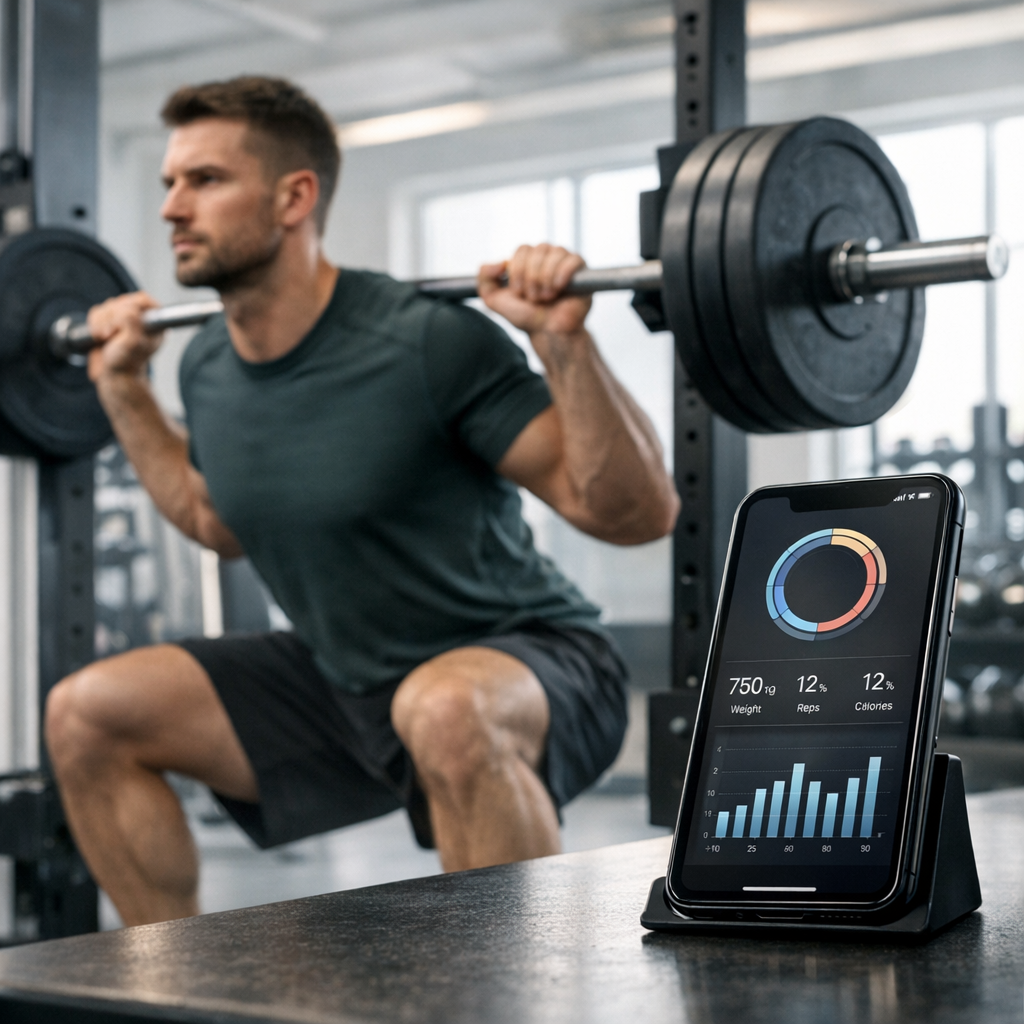
It’s nearly impossible to remember every rep, set, pound, or PR without writing it down. Smart fitness apps like PumpPal make this process seamless—logging every lift, tracking weekly volume and weight, and prompting you to increase resistance when the app sees you’re ready. This kind of data-driven progress keeps training exciting and actionable.
Sample Progression for Beginners
- Weeks 1–2: Bench press—3 sets of 8 reps at 50kg.
- If all reps completed with stability, increase to 52.5kg in weeks 3–4.
- Continue increasing weight in small increments (2.5kg) as long as good form is maintained.
- If unable to complete all reps, repeat current load until adaptation occurs.
Overcoming Plateaus
All athletes hit sticking points. Progressive resistance training provides built-in mechanisms for breaking plateaus: altering weight, reps, frequency, or rest. Try a rep-range adjustment (e.g., 6–8 instead of 8–12) or swap movements temporarily (barbell for dumbbell variants) for renewed stimulus.
PumpPal: Your Partner in Progress Tracking
PumpPal’s intuitive interface lets you log every lift, set, and PR with ease. Progress graphs help you visualize improvements over time and encourage you to push further each session. Custom workout plans ensure your program includes built-in progressive overload, backed by reminders and adaptive planning.
Applying Progressive Resistance at Any Fitness Level
Whether you’re a novice or advanced lifter, the principle never changes—it just scales. Beginners may progress rapidly, while experienced trainees require smaller, more calculated jumps. Regardless of level, diligent tracking amplifies your results by ensuring you’re always moving forward.
Conclusion: Start Making Every Session Count
Progressive resistance is the fundamental driver of muscle and strength gains. By methodically increasing the challenge, tracking every session, and adjusting your plan as needed, you build a foundation for lifelong strength and fitness. Start using PumpPal to make every workout a step forward in your personal fitness story—no subscriptions, just sustainable success.