

Protein Myths Busted: What Science Really Says About Muscle Gain and Recovery
By PumpPal Updated 3 min read
Confused by conflicting protein advice? Our deep-dive separates science from fiction—covering exactly how much protein you need for muscle and recovery, plus the best sources.
Introduction
From gym floors to social media, protein—how much to eat, when to eat it, and what sources are best—remains perhaps the most debated topic in fitness. Myths abound, from mega-dosing for superhuman gains, to fears about eating 'too much.' This blog explores what current science actually says about dietary protein, muscle gain, and recovery, clearing up misconceptions that might be holding back your progress.
Myth 1: More Protein Means More Muscle—No Matter What
It's a common belief: the more protein you eat, the more muscle you'll build. However, studies show muscle protein synthesis (MPS) is maximized at moderate protein intakes and only in response to resistance training. A 2018 meta-analysis published in the British Journal of Sports Medicine found that consuming between 1.6g and 2.2g of protein per kilogram of body weight is optimal for muscle growth in most active adults—more than this offers little extra benefit for natural lifters.
Myth 2: You Need Protein Immediately After Your Workout
The 'anabolic window'—the short post-exercise period where your body supposedly needs protein right away—is often exaggerated. While post-workout nutrition does matter, research shows the window is much wider than commonly believed. A systematic review in Journal of the International Society of Sports Nutrition suggests that total daily protein intake is far more important than timing for most people. Having protein within a few hours on either side of your workout is sufficient for muscle recovery and growth.
Myth 3: Plant Proteins Are Inferior for Muscle Building
Another widespread myth is that only animal-based proteins are effective for building muscle. While animal proteins typically have a more complete amino acid profile, recent studies (e.g., a 2020 meta-analysis in Sports Medicine) show that as long as total protein and key amino acids (especially leucine) are adequate, plant proteins can support similar muscle gains. Combining varied plant sources (such as rice and beans, or lentils and quinoa) easily covers all essential amino acids.
Myth 4: High Protein Intake Is Bad for Your Kidneys
Healthy individuals often worry that higher protein diets will damage their kidneys. However, clinical research consistently shows that, in people without pre-existing kidney disease, even intakes up to 2.2g/kg of body weight are not harmful. This myth likely stems from outdated data or misunderstanding studies focused on those with kidney impairment.
How Much Protein Do You Really Need?
- Average gym-goers: 1.6–2.2g protein per kg body weight per day
- Endurance athletes: 1.2–1.7g/kg
- Older adults seeking to reduce muscle loss: 1.2–2.0g/kg
Distribute intake across 3-5 meals to maximize muscle protein synthesis and recovery. For easy estimation, a 150 lb (68 kg) person aiming for muscle gain should consume about 110–150g of protein daily.
Top Protein Sources for Muscle Building
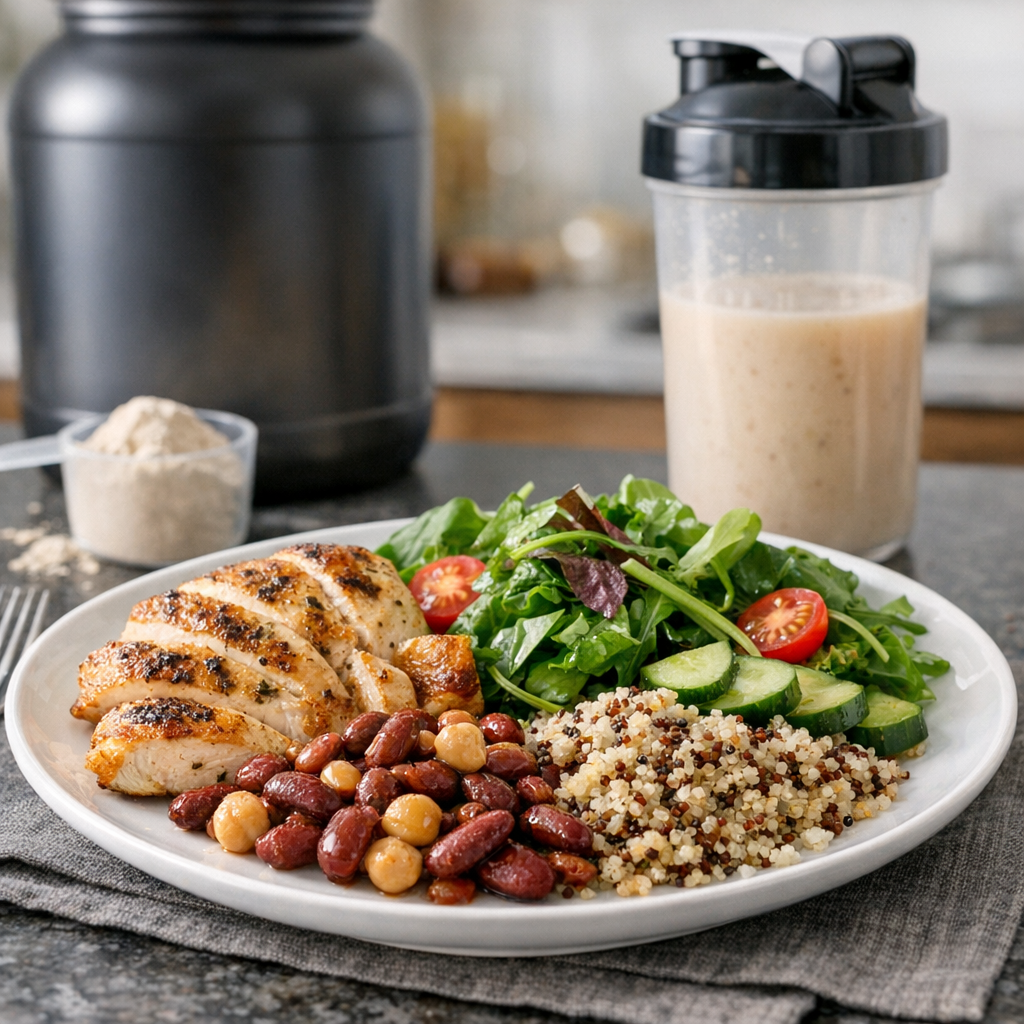
- Animal proteins: Chicken, turkey, fish, eggs, Greek yogurt, cottage cheese, whey protein powder
- Plant proteins: Lentils, black beans, chickpeas, quinoa, tofu, tempeh, seitan, soy milk, pea or rice protein powder
Choose a mix of sources for nutrient diversity. Vegetarians and vegans should include varied plant proteins throughout the day to ensure a full amino acid profile.
Protein Strategies for Recovery
To support muscle repair and minimize soreness:
- Spread protein intake: Space out protein-rich meals evenly through the day.
- Pair with carbs post-workout: Carbohydrates help replenish glycogen and aid recovery.
- Stay hydrated: Adequate hydration supports nutrient delivery to muscle tissue.
- Track your intake: Use an app like PumpPal that allows you to monitor nutrition alongside workouts and body composition for an integrated approach to fitness.
Conclusion
The science is clear: protein is crucial for muscle gain and recovery, but mega-dosing or fixating on timing is unnecessary for most people. Instead, focus on hitting daily targets, choosing quality sources, and distributing intake throughout your meals. By letting go of persistent myths, you’ll optimize your training results and support your body’s health for the long haul. PumpPal can help you track both your progress in the gym and your nutrition, simplifying your journey towards your goals.