

Recovery Nutrition: How to Refuel and Rebuild After Your Workout
By PumpPal Updated 3 min read
What you eat after training greatly shapes your long-term results. Here’s how to optimize post-workout recovery with the right nutrients, timing, and habits for strength, muscle growth, and overall wellness.
Why Post-Workout Nutrition Matters
Intense workouts deplete your muscle fuel reserves (glycogen) and damage muscle fibers that need rebuilding. Consuming the right nutrients post-exercise triggers muscle repair, helps restore glycogen, and reduces soreness. According to the International Society of Sports Nutrition, athletes with optimized post-exercise meals recover faster and experience greater long-term strength and muscle growth.
The Big Three: Protein, Carbohydrates, and Fluids
- Protein: Essential for muscle repair and growth. Aim for 20–40g high-quality protein (e.g., whey, eggs, dairy, soy, or lean meats) within 2 hours of finishing your session.
- Carbohydrates: Refuel muscles by replenishing glycogen. Choose fast-digesting carbs like fruit, oats, or rice. Typical range: 1–1.5g carbohydrate per kg body weight.
- Hydration: Rehydrate with water or an electrolyte-rich beverage to replace sweat and support all cellular functions.
The Protein-Window Myth: What Science Says
Recent research suggests the "anabolic window" is wider than once believed. Rather than having to eat immediately after training, consuming a balanced meal containing protein and carbs within 2 hours post-exercise gives almost all the same recovery benefits.
Micronutrients for Faster Recovery
- Antioxidants: Tart cherries, blueberries, and green veggies can help minimize muscle soreness due to their antioxidant content.
- Omega-3s: Found in salmon, walnuts, and chia seeds, omega-3 fatty acids may reduce post-workout inflammation, per numerous clinical trials.
- Magnesium & Potassium: Bananas and leafy greens provide electrolyte support crucial for muscle contraction and cramp prevention.
Sample Recovery Meals
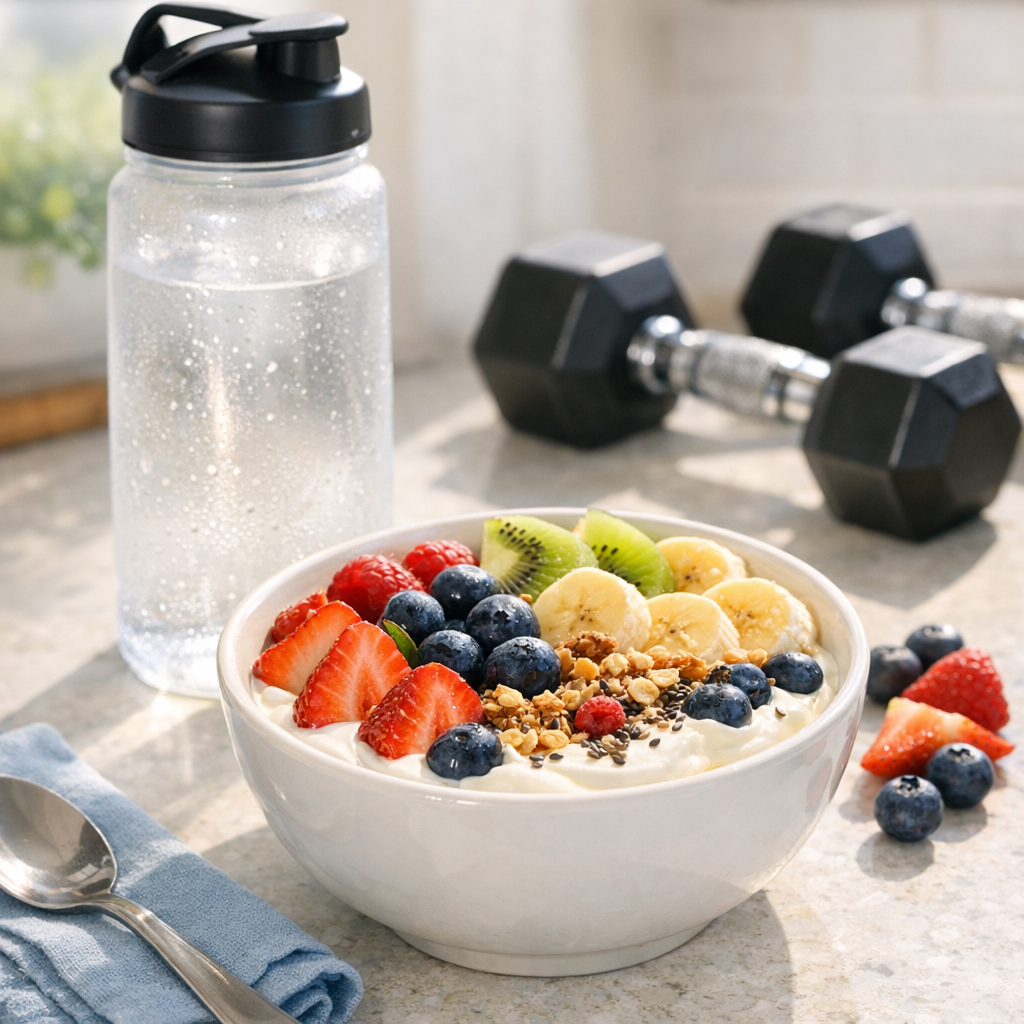
- Post-Lifting Breakfast: Greek yogurt parfait with berries and oats
- Quick Evening Refuel: Grilled chicken with sweet potato and broccoli
- Vegan Option: Tofu stir-fry with brown rice, spinach, and sesame oil
Hydration Strategies for Fast Recovery
Don’t ignore the fluid lost through sweat. Weighing yourself before and after training helps estimate fluid loss. For every pound lost, drink 16–24 oz water. Adding electrolyte tabs can speed recovery after longer or hotter sessions. Limiting alcohol and caffeine post-workout also protects recovery gains.
Recovery Meal Timing for Different Goals
- Muscle Gain: Prioritize protein and moderate carbs after every session.
- Fat Loss: Focus on lean proteins and vegetables; watch total calorie intake, but don’t skip recovery nutrition altogether.
- Endurance: Up your carb intake to rebuild depleted muscle stores, and pair with protein for tissue repair.
Track, Adjust, and Succeed
Recording your nutrition, workouts, and recovery patterns can reveal what works best for your body. The PumpPal app allows you to log meals, monitor recovery trends, and visualize progress photos over time, so you can fine-tune your post-workout rituals for optimal results.
Conclusion: Small Changes, Big Results
Post-workout nutrition doesn’t have to be complicated. Make it simple: eat lean protein, healthy carbohydrates, and colorful plants within a couple hours of your session, and watch long-term progress accelerate. Remember to hydrate, track your routines, and celebrate the visible results—one workout, one meal at a time.