

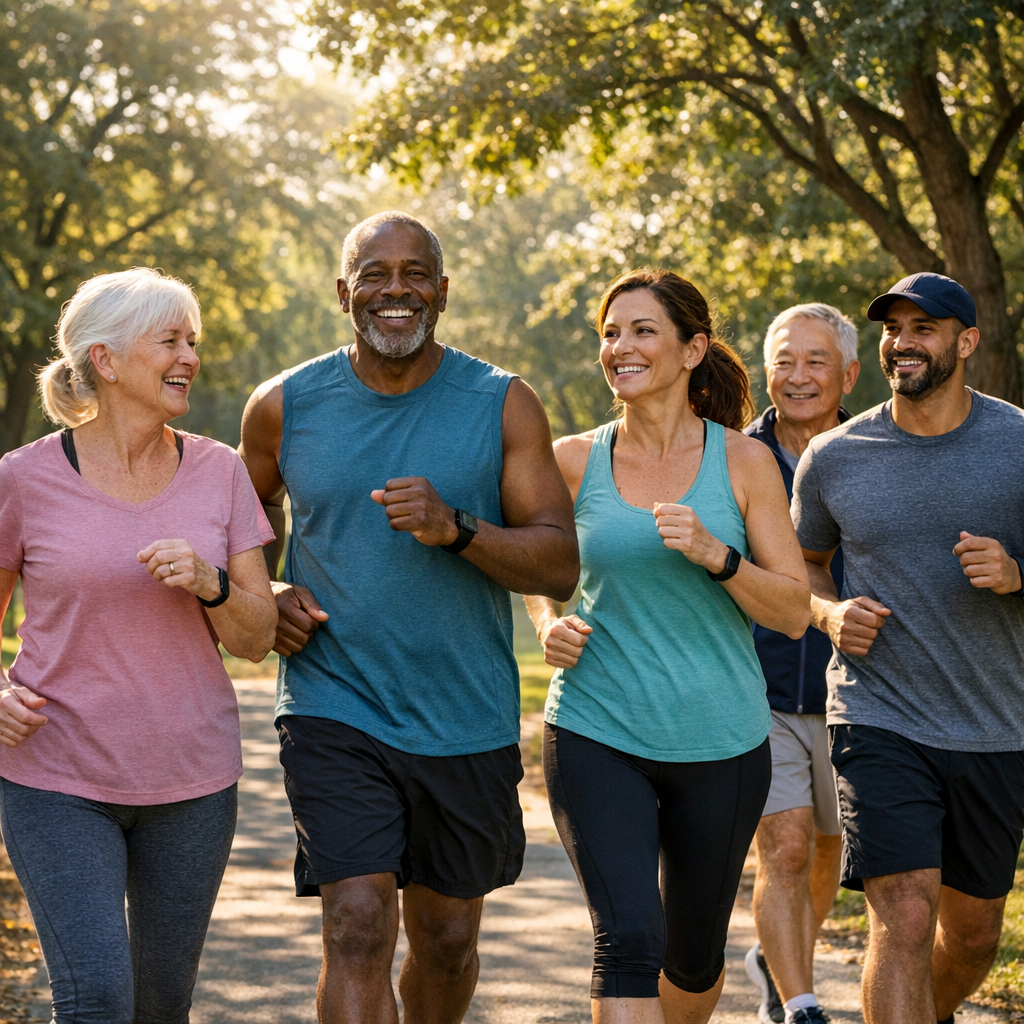
Unlocking Longevity: How Regular Physical Activity Reverses Signs of Aging
Explore how regular exercise helps you age well. This detailed guide reveals the proven links between physical activity, lifespan extension, and healthy living.
The Proven Impact of Physical Activity on Lifespan
Extensive research has established that staying physically active is one of the most effective ways to extend your lifespan and improve long-term health. Individuals who engage in regular exercise – even moderate activities like brisk walking – enjoy significant reductions in all-cause mortality compared to sedentary peers. A 2019 analysis published in The BMJ found that those who consistently meet World Health Organization (WHO) activity guidelines have a 20–30% lower risk of premature death.
How Exercise Slows Down Cellular Aging
Physical activity has direct effects on fundamental aging processes at the cellular level. Exercise stimulates the production of antioxidants and helps maintain telomere length — a biomarker of aging. Telomeres are protective caps at the ends of chromosomes, and their gradual shortening is linked to cellular aging. Studies indicate that regular aerobic and resistance training are associated with longer telomeres, potentially resulting in a slower biological aging process.
Supporting Heart, Brain, and Metabolic Health
- Cardiovascular system: Regular aerobic exercise lowers blood pressure, improves cholesterol levels, and strengthens the heart muscle. This reduces the risk of heart attack, stroke, and cardiovascular disease.
- Cognitive function: Staying active is linked to lower dementia risk and improved memory, likely due to enhanced blood flow to the brain and increased production of neuroprotective compounds.
- Metabolic advantages: Exercise improves insulin sensitivity and helps regulate blood sugar, both vital for warding off type 2 diabetes and maintaining a healthy weight as you age.
Maintaining Strength, Balance, and Independence
Age-related sarcopenia (muscle loss) can be countered by consistent strength and resistance training. Maintaining muscle mass not only supports metabolism but also promotes joint health and functional mobility. Activities that enhance balance – like yoga, tai chi, or stability exercises – can dramatically lower fall risk and preserve independence well into older adulthood.
How Much Activity Do You Need for Longevity?
The WHO recommends at least 150 minutes of moderate-intensity aerobic activity weekly, plus two or more resistance training sessions. However, recent studies suggest even smaller "doses" of physical activity (such as 10–15 minutes per day) can yield longevity benefits. Consistency is key; finding enjoyable activities ensures you’ll stick with them for years to come.
Overcoming Barriers: Make Exercise a Lifelong Habit
- Time constraints? Break workouts into shorter bouts throughout your day.
- Lack of motivation? Set realistic goals, track your progress, or join a supportive fitness community – digital tools like PumpPal make these steps effortless.
- Physical limitations? Speak with a healthcare provider about safe activity modifications customized to your needs.
Integrating Technology for Lifelong Consistency
Using an intelligent workout tracker like PumpPal can help you monitor progress, set reminders, and adjust routines as your needs change with age. By logging workouts, body measurements, and progress photos, you develop a powerful visual record of your journey that keeps you motivated for the long run.
Conclusion: Invest in Your Future by Moving Today
Physical activity is the single best investment you can make in your health, longevity, and quality of life. The science is clear — every step, squat, and stretch adds up. Start moving today, build your fitness with intention, and let PumpPal track every milestone as you unlock a longer, stronger, more vibrant life.