

Resistance Training for Longevity: How Lifting Weights Supports Healthy Aging
Discover why resistance training is a key player in healthy aging. Learn about muscle preservation, bone health, metabolic benefits, and how anyone at any age can start lifting for a longer, stronger life.
Introduction: The New Science of Healthy Aging
We all want to live longer, but more importantly, we want to live better. Longevity isn’t just about total years—it’s about healthspan: the years spent feeling strong, active, and independent. Recent breakthroughs in aging research put resistance training, also known as weight lifting, center stage for promoting vitality and functionality well into our later years.
Why Resistance Training Matters for Longevity
As we age, we naturally lose muscle mass and bone density—a process known as sarcopenia and osteopenia. These changes can increase frailty, slow down metabolism, worsen balance, and raise risk of falls. However, regular resistance training counteracts these effects on multiple levels:
- Muscle Preservation: Lifting weights slows muscle loss, helping maintain strength and independence.
- Bone Density Boost: Weight-bearing exercises stimulate bone growth and may reduce osteoporosis risk.
- Improved Metabolic Health: More muscle means a more active metabolism, better blood sugar control, and reduced risk of chronic disease.
- Mobility and Balance: Resistance exercises enhance coordination, stability, and flexibility.
What the Science Tells Us
Multiple clinical studies support the benefits of resistance training for promoting longevity. According to a 2022 meta-analysis published in the British Journal of Sports Medicine, adults performing strength exercises at least twice a week had a 21% lower all-cause mortality risk compared to those who skipped resistance work. Another large-scale cohort study published by the American Journal of Preventive Medicine noted that even light to moderate weight training was associated with significantly reduced cardiovascular and cancer risks.
Myths About Resistance Training and Aging
- "You’re too old to start lifting weights." Reality: Research shows people in their 70s, 80s, and even 90s can safely benefit, often with major improvements in strength and quality of life.
- "Weight training is just for bodybuilders." Reality: Modern programs focus on functional strength, balance, and bone health—not just muscle size.
- "Lifting is unsafe for seniors." Reality: Supervised, progressive resistance training is safer than avoiding it. The key is proper coaching, gradual progression, and listening to your body.
How to Start Resistance Training for Longevity
- Consult Your Physician: Especially if you have health conditions, get medical clearance before beginning new exercise routines.
- Focus on Compound Movements: Prioritize multi-joint exercises (like squats, push-ups, rows) that recruit multiple muscle groups and promote overall functional improvement.
- Use Proper Form: Start with light weights or even bodyweight to master movement quality before increasing resistance.
- Progress Gradually: Increase resistance, reps, or sets incrementally to avoid injury and plateaus.
- Track Your Progress: Use detailed logs and periodic strength assessments (especially via a fitness tracker like PumpPal) to monitor your improvements and keep motivated.
Resistance Training: Home vs. Gym
Great news: resistance training doesn’t require a gym. Bodyweight exercises, resistance bands, and objects like filled water bottles or backpack weights can all help. For those preferring the gym, machines and free weights offer scalable options for every skill level. The key isn’t equipment—it’s consistency and progressive challenge.
Integrating Resistance Training with PumpPal
- Plan Your Routine: PumpPal’s custom workout builder allows you to create age-appropriate resistance routines, adjusting intensity and frequency as you progress.
- Track Strength Gains: Logging each session and visualizing improvements helps you stay accountable and celebrate milestones.
- Body Measurement and Progress Photos: Tracking muscle preservation is motivating for all ages. PumpPal provides an easy, private way to chart your progress.
- Lifetime Access: Unlike subscription apps, PumpPal lets you keep your hard-earned data for life—perfect for a long-term aging strategy.
Longevity, Mental Health, and Quality of Life
Don’t underestimate the mental benefits: resistance training boosts cognition, mood, and confidence. Studies show regular strength work reduces depression symptoms, improves sleep, and sharpens focus—all crucial for healthy aging alongside physical resilience.
Sample Beginner Resistance Training Routine for Longevity
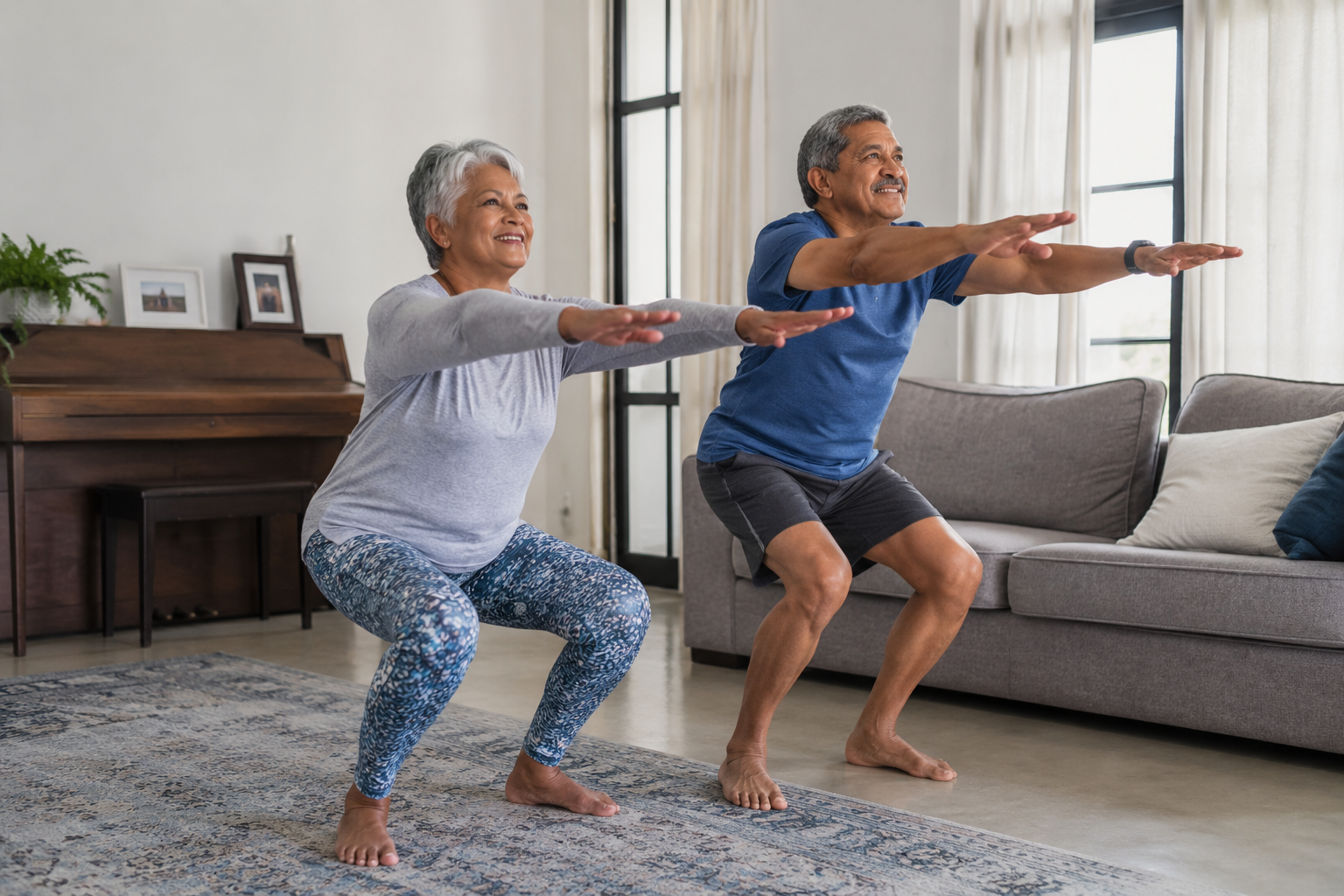
- Bodyweight squats or chair stands – 2 sets of 8-12 reps
- Wall or countertop push-ups – 2 sets of 8-12 reps
- Standing rows with a resistance band – 2 sets of 8-12 reps
- Standing calf raises – 2 sets of 12-15 reps
- Balance practice (single leg stands) – 2-3 holds per side
Stay Consistent for Lasting Results
The secret to unlocking the longevity benefits of resistance training is steady, lifelong adherence. Use behavioral strategies (like habit stacking, see our related post), social support, and clear goals. Fitness apps like PumpPal serve as your digital diary, coach, and motivator—ensuring you remain on track without ongoing costs or subscriptions.
Conclusion: Lift for a Longer, Stronger Life
No matter your age, it’s never too late to start reaping the rewards of resistance training. From muscle preservation and bone health to metabolic benefits and mental clarity, lifting weights is a proven, practical path to more years—and better quality years. With proper planning, tracking, and the right support tools, you can keep moving, thriving, and enjoying life at every age.