

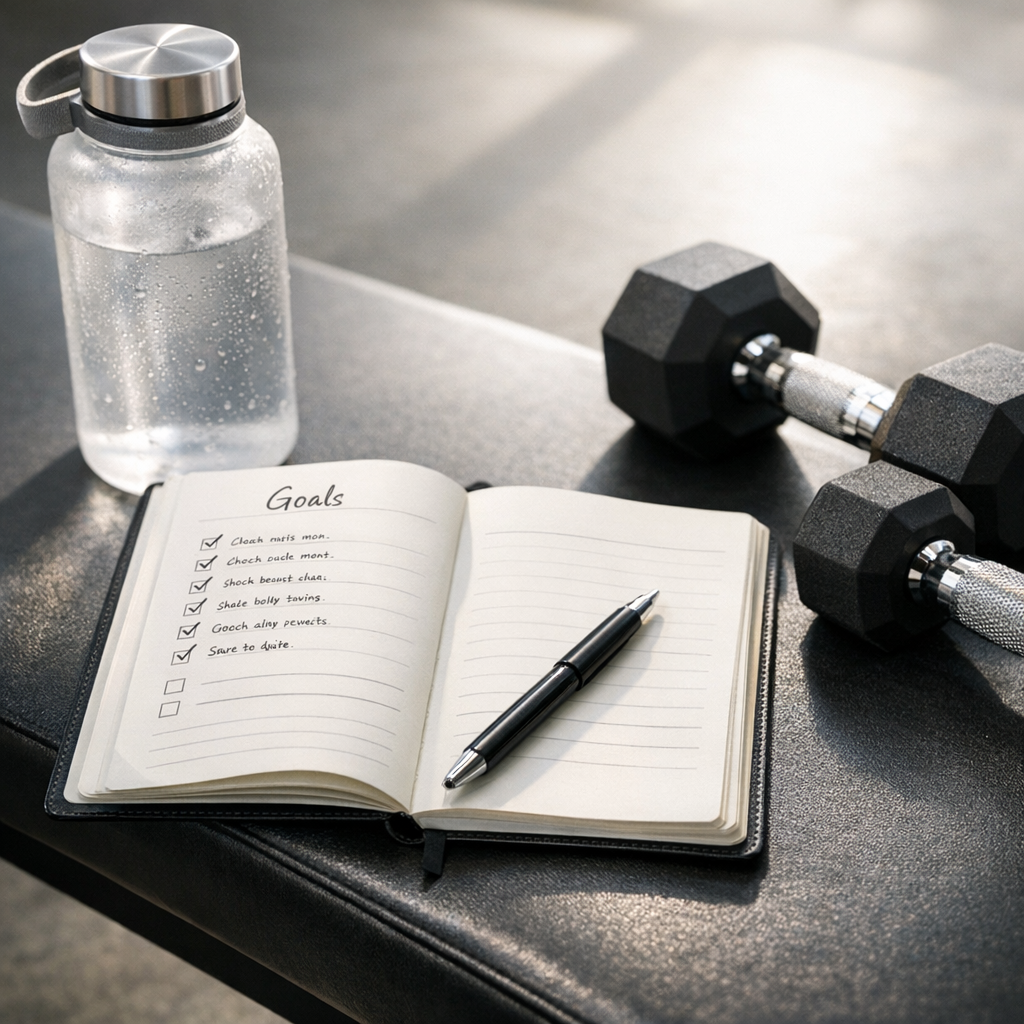
The Power of Setting Micro Goals on Your Fitness Journey
Explore the science and practical steps behind micro goals—small, achievable targets that build your long-term fitness success.
Why Micro Goals Matter in Fitness
While big fitness aspirations like running a marathon or achieving a certain physique can inspire, they can also be overwhelming. This is where micro goals—small, clearly defined milestones—can transform your journey from daunting to highly achievable. Instead of waiting months to celebrate big wins, micro goals empower you to feel success more often, helping you build unstoppable momentum.
The Psychology Behind Micro Goals
Psychological research shows that breaking large goals into smaller steps increases the likelihood of adherence. According to a 2019 study in the journal Behavioral Science & Policy, frequent small accomplishments create a positive feedback loop, enhancing both confidence and consistency. When you routinely achieve micro goals, your brain releases dopamine, reinforcing the habit loop and motivating continued effort.
Real-Life Micro Goal Examples
- Complete three workouts this week
- Add one extra glass of water per day
- Improve squat depth by one inch
- Cook a healthy dinner twice this week
- Walk 8,000 instead of 6,000 steps daily
- Log every workout for one week using PumpPal
How Micro Goals Help You Break Plateaus
Plateaus are normal in fitness progress. But micro goals allow you to shift focus from outcome to behaviors within your control. For instance, if you aren’t losing weight, a micro goal could be: “Pre-plan my snacks daily.” Achieving controllable behaviors builds confidence, and often results follow naturally.
Designing Effective Micro Goals
- Be Specific: “Do pushups” is vague. “Perform 15 pushups during Monday’s workout” is concrete and measurable.
- Keep it Small: Should feel easily achievable—if it feels hard, break it down further.
- Set a Short Time Frame: Weekly or daily goals are ideal for rapid feedback.
- Track Progress: Use tools like PumpPal to log achievements and reflect on your journey.
Combining Micro Goals into Macro Results
When you look back over weeks or months, you’ll see that these small wins add up to significant change. For example, an extra set per workout leads to hundreds of extra reps over a year. A slight increase in daily steps means miles covered and calories burned you wouldn’t otherwise achieve.
Practical Steps to Start Setting Micro Goals
- Identify your broader objective (e.g., “get stronger,” “have more energy”).
- Break it into micro steps (e.g., “add 2.5 lbs to bench press,” “sleep before 11 p.m. twice this week”).
- Write them down or log them with PumpPal so you can check off achievements.
- Reward yourself when you complete a micro goal—this ingrains the habit.
- Adjust your next goals based on progress.
How PumpPal Makes Micro Goals Easy
PumpPal’s workout tracking, progress photos, and measurement logging tools help you track even the smallest milestones. Visual feedback and custom reminders make it simple to celebrate your micro wins. Whether you’re just starting or refining your performance, micro goals and PumpPal work hand in hand to maintain motivation and drive momentum.
Conclusion
Micro goals aren’t just a buzzword—they’re an essential, science-based strategy for sustainable fitness success. By celebrating small wins, you’ll feel progress daily, making motivation nearly effortless. Start your journey with micro goals, and watch as every tiny step adds up to something amazing—with PumpPal by your side for every milestone.