

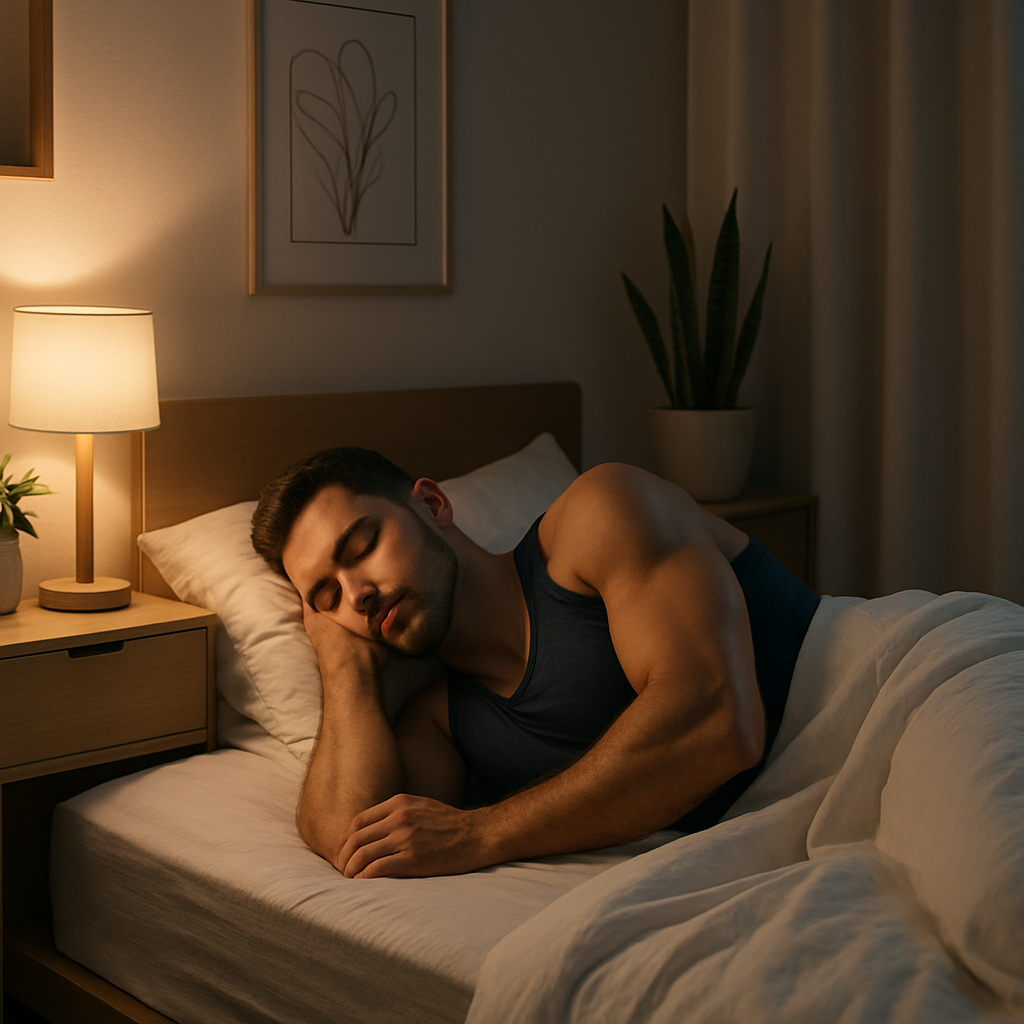
How Sleep Quality Impacts Your Fitness and Muscle Growth
Your sleep habits could be the missing piece in your muscle-building journey. Explore the relationship between deep sleep, recovery, and better fitness results.
The Overlooked Power of Sleep in Fitness Results
Most athletes and fitness enthusiasts pay close attention to workout routines, nutrition, and recovery methods, but sleep is often underappreciated. Yet, growing evidence underscores its vital role for anyone looking to build muscle, boost performance, or lose fat.
Why Sleep Matters for Muscle Growth
During deep sleep, your body enters its most active recovery state. Growth hormone—critical for muscle repair and building—is primarily secreted during slow-wave sleep. Inadequate sleep inhibits this process, leaving your muscles less repaired, reducing gains, and even elevating the risk of injury.
- Hormone Regulation: Growth hormone, testosterone, and cortisol perform delicate balancing acts during the night, directly influencing protein synthesis and muscle preservation.
- Protein Synthesis: Sleep deprivation impairs your body's ability to repair and build new muscle tissue, undermining even the best workout plan.
The Science: What Research Shows
Multiple studies link poor sleep with reduced muscle mass, higher injury rates, and impaired athletic performance. Research published in the Journal of Sleep Research found that a single night of sleep deprivation decreases muscle synthesis by as much as 18% the following day. Similarly, long-term chronic sleep loss is associated with impaired glucose metabolism and stubborn fat loss.
Sleep and Performance: Energy, Focus, and Coordination
It’s not just about muscle. Sleep deprivation dulls cognitive function, slows reaction times, and undermines motivation—critical factors for progress in the gym. Consistently poor sleep makes it harder to stick with your fitness goals and can derail progress even when other variables are dialed in.
Actionable Tips to Improve Sleep Quality for Fitness
- Regular Sleep Schedule: Go to bed and wake up at the same time daily to set your internal circadian rhythm.
- Optimize Your Sleep Environment: Keep your room cool, dark, and silent. Invest in blackout curtains and remove electronics.
- Limit Screen Time Before Bed: Blue light disrupts melatonin production. Shut off screens at least 60 minutes before sleeping.
- Mind Your Nutrition: Avoid heavy meals, caffeine, and alcohol within a few hours of bedtime.
- Relaxation Routines: Activities like stretching, gentle yoga, or meditation signal your brain to wind down.
Integrating Sleep Improvements with Your Fitness Regimen
Track your sleep alongside workout results using PumpPal’s advanced tracking features. Logging your nightly sleep and recovery data will help you spot patterns and make evidence-based adjustments to your training intensity and volume. Better sleep leads to faster progress, less risk of burnout, and more sustainable results.
FAQ: Common Sleep and Fitness Questions
- Does napping help muscle recovery? Short naps (15–30 minutes) can boost alertness and motor learning, but don’t replace lost night-time sleep.
- Should I adjust my workouts based on sleep? Yes, monitor how well-rested you feel. If sleep was poor, dial back high-intensity workouts to prevent injury.
- Can supplements help? Melatonin, magnesium, and glycine may support sleep, but always consult with your doctor before starting any supplement.
Conclusion: Make Sleep Your Superpower
If you’re training hard but not seeing results, assess your sleep quality. It’s the ultimate performance enhancer—free, accessible, and essential. Combine better sleep habits with consistent workouts, a balanced diet, and planned recovery, and your efforts will translate into lasting fitness and muscle gains.
Track, Analyze, and Improve with PumpPal
PumpPal’s all-in-one fitness app allows you to log sleep, workouts, and progress photos in one dashboard. Start tracking today and unlock your true potential.