

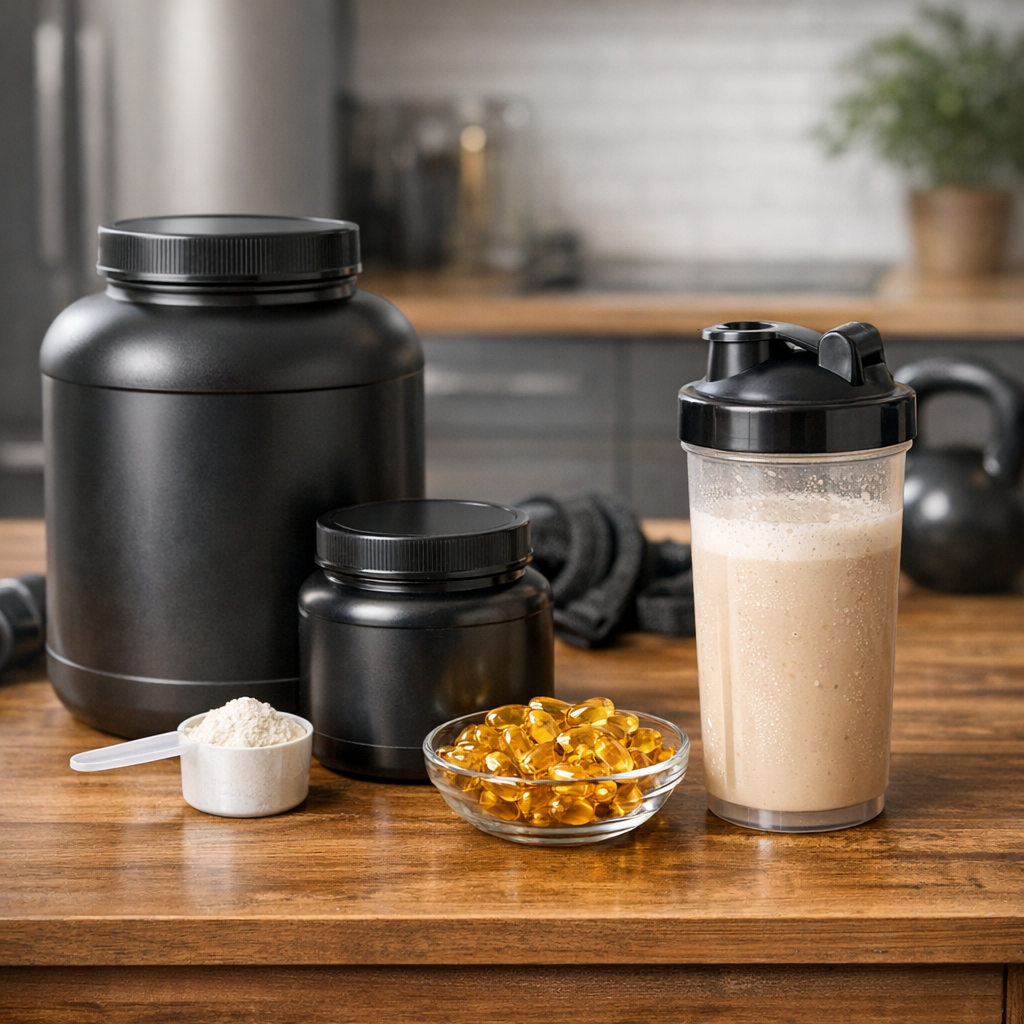
Smart Supplements for Lifters: What Science Says Actually Works
Want to know which supplements really boost muscle gain and recovery? Dive into the science-backed list and learn how to use them for the best results.
Introduction: Navigating the Supplement Maze
The fitness supplement market can be overwhelming, especially for lifters seeking gains that go beyond what training and diet alone provide. With thousands of products marketed as muscle builders, recovery boosters, or 'must-haves' for athletes, how do you know what actually works? At PumpPal, we've reviewed the science—so you don’t have to fall for the hype.
The Only Supplements Worth Considering
The truth: very few supplements have consistent, high-quality evidence supporting their efficacy for muscle gain, strength, or faster recovery. Here are those that rise above the rest:
1. Creatine Monohydrate
- What it does: Increases ATP production, which fuels short bursts of intense activity (like weight lifting).
- Why it works: Backed by decades of research, creatine boosts muscle size, strength, and can even aid cognitive performance.
- Dosing: 3-5g daily, year-round, regardless of training or rest days.
2. Protein Supplements (Whey, Casein, Plant-based)
- What it does: Helps meet daily protein goals, supporting muscle repair and growth.
- Why it works: Muscle adaptation requires a positive net protein balance; shakes make it easy to hit targets.
- Dosing: Most lifters benefit from 1.6-2.2g/kg of bodyweight in protein daily, combining food and supplements.
3. Beta-Alanine
- What it does: Buffers lactic acid, improving muscular endurance during high-rep sets or intense conditioning.
- Why it works: Repeated studies show small but meaningful improvements in time to exhaustion and work capacity.
- Dosing: 2-5g daily, best taken consistently for several weeks.
4. Caffeine
- What it does: Boosts energy, focus, and power output.
- Why it works: Caffeine acts as a central nervous system stimulant, which can improve strength, endurance, and pain tolerance during tough sets.
- Dosing: 3-6mg/kg bodyweight about 30 minutes before training (but sensitive individuals should start with less).
5. Omega-3 Fatty Acids (Fish Oil, Algal Oil)
- What it does: Reduces exercise-induced inflammation, supporting joint and connective tissue health.
- Why it works: Some research suggests omega-3s may speed up muscle recovery and soreness reduction.
- Dosing: Aim for at least 1-2g of combined EPA+DHA daily from diet or supplements.
Supplements with Mixed or Limited Evidence
Some popular products (like BCAAs, glutamine, or 'test boosters') have limited evidence for muscle gain if you already consume enough protein and calories. Others, such as nitric oxide boosters or 'proprietary blends,' often lack adequate research in healthy lifters.
How to Safely Integrate Supplements Into Your Routine
- Start with Nutrition First: Supplements are designed to plug small gaps, not replace a balanced diet of whole foods, fruits, lean proteins, and complex carbs.
- Read Labels and Third-Party Testing: Choose reputable brands evaluated for purity, potency, and safety.
- Monitor Results: Track your progress—strength, body measurements, recovery speed—with an app like PumpPal. This helps you determine if a new supplement positively impacts you.
Are There Risks to Taking Supplements?
Yes! Supplements aren’t regulated as tightly as medicines, so mislabeling and contamination are risks. Stick to products with transparent ingredient lists and certifications (NSF Certified for Sport, Informed Sport, etc.). Always consult a healthcare professional, especially if you have health conditions or take medication.
The Supplement-Free Secret: Smart Training + Tracking
Supplements can enhance your lifting journey, but they’re never a substitute for a structured workout plan, progressive overload, and adequate rest. Tools like PumpPal help you keep the basics on track by logging reps, sets, and measurements so you know your real progress and recovery—whether you take supplements or not.
Conclusion: What Really Works for Lifters?
Creatine, protein, beta-alanine, caffeine, and omega-3s are the most evidence-backed options for lifters. Start with food, fill in gaps with smart supplementation, and track your results with a trusted workout app like PumpPal. That’s the truly science-based route to better muscle gain, strength, and recovery.