

How to Track and Improve Your Lifting Technique for Better Results
Mastering technique is crucial for lifting progress. Learn how to objectively track your lifting form and movement for safer, more effective training sessions.
Why Tracking Lifting Technique Matters
When it comes to strength training and weight lifting, most people focus on the what: how much weight, how many reps, or how long the session lasts. However, the how—your actual lifting technique—is just as important for making real progress and preventing injury. Studies show that small errors in form can lead to increased risk of injury and limit your gains. This is where tracking lifting technique comes in.
Key Benefits of Tracking Lifting Form
- Injury prevention: Proper form reduces strain on joints and muscles.
- Progress plateaus: Great technique allows for continued gains past sticking points.
- Efficient training: Correct movement patterns mean every rep counts.
Ways to Track Lifting Technique
1. Use Video Feedback
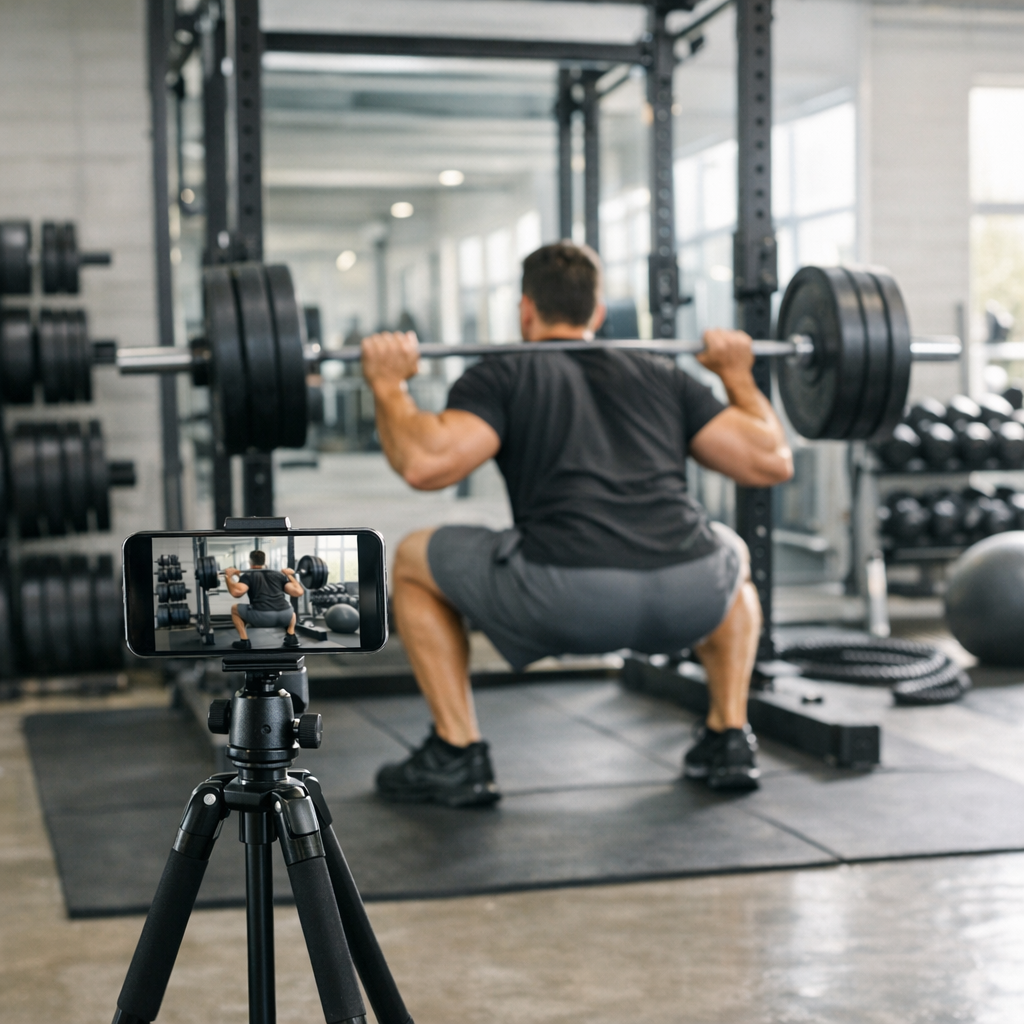
Video recording your lifts is one of the best ways to objectively assess movement quality. Smartphones and tripods make this simple. Review your form from different angles: front, side, and rear. Look for key points—such as spinal alignment and joint positioning—in squats, deadlifts, and pressing exercises. Free tools like slow-motion playback can highlight issues not visible in real time.
2. Log Descriptive Notes Alongside Sets
After each working set, jot down notes on how reps felt: was your depth consistent, did your knees cave in, or did you feel off balance at the top? PumpPal’s set-by-set note feature lets you attach form feedback directly to each lift, so you can spot recurring trends over time.
3. Use Wearable Sensors (Optional)
While optional, some lifters benefit from motion sensors that track bar path or acceleration. These gadgets offer deeper form insights, but for most, video and notes are enough.
Coaching Yourself: What to Look For
- Bar path: Is it straight on bench, squat, and deadlift?
- Joint angles: Are your knees tracking over your toes?
- Tension: Are you maintaining core and shoulder tightness through the range of motion?
- Control: Is the movement smooth, not jerky?
Tracking Progress Over Time
Save video clips at set intervals—such as every 2-4 weeks—to compare improvements. Use PumpPal’s media attachments with set records, so future you can easily review past performances. Look for more stability, deeper range of motion, or improvement in weights moved with solid form.
Practical Tips for Improving Technique
- Film regularly—don't just rely on feeling; review tapes weekly.
- Set form goals (e.g., "keep chest up on squat") for each session, not just weight or reps.
- Warm up and mobilize to maximize joint function.
- Ask for feedback from coaches or through online forums by posting your videos.
Common Form Pitfalls and How to Fix Them
- Knee valgus (knees caving in): Practice slow, controlled squats at lighter weight; add banded knee exercises.
- Rounded back during deadlifts: Lower weight and practice wedging the bar; improve hamstring and lower back mobility.
- Improper bench press setup: Learn scapular retraction and leg drive to create stability on the bench.
How PumpPal Streamlines Technique Tracking
PumpPal goes beyond basic workout logs by allowing you to:
- Attach progress photos and videos to any set.
- Log technique cues next to your recorded sets.
- Monitor body measurements and track consistency—all with a one-time lifetime license and zero subscription fees.
Conclusion
Mastering lifting technique pays huge dividends for safety and performance. By making video analysis and detailed set notes part of your workout habit—enhanced with tools like PumpPal—you’ll see better, faster, and safer results in and out of the gym.