

How Whole Foods-Based Diets Improve Training Recovery and Performance
Discover how prioritizing whole foods enhances muscle recovery and workout performance. Dive into the science, nutrition principles, and actionable meal strategies for athletes.
Introduction: The Power of Whole Foods for Athletes
As athletes and fitness enthusiasts, we’re constantly seeking an edge—whether it's faster muscle recovery, less fatigue, or stronger performance. While supplements and engineered sports foods get plenty of attention, the foundation of nutrition for any athlete should be whole foods. Not only do whole foods provide a full spectrum of nutrients, but research shows they play a pivotal role in supporting recovery and maximizing strength gains, endurance, and overall health.
What Are Whole Foods?
Whole foods are foods that are minimally processed and as close to their natural state as possible. Think fruits, vegetables, whole grains, legumes, nuts, seeds, eggs, dairy, fish, and unprocessed meats. These foods are nutrient-dense, supplying vitamins, minerals, fiber, phytonutrients, and a synergistic blend of macronutrients that engineered products can’t replicate.
The Science: Whole Foods vs. Processed Foods for Athletes
Modern nutritional science highlights that recovery isn’t solely about isolated nutrients like protein or carbohydrates. Instead, the overall quality of the diet—including antioxidants, omega-3 fatty acids, and fiber—can dictate how quickly and efficiently your body heals after intense training. Whole plant foods and unprocessed animal proteins typically contain more micronutrients, polyphenols, and anti-inflammatory compounds than their processed counterparts (think protein bars, shakes, or sugary recovery drinks).
Key Benefits of Whole Foods-Based Diets for Recovery
- Reduced Inflammation: Fruits, vegetables, nuts, seeds, and oily fish provide antioxidants and anti-inflammatory nutrients that help minimize muscle soreness and support healing.
- Improved Muscle Repair: Whole proteins from foods like eggs, dairy, poultry, and beans provide the full spectrum of amino acids needed for recovery.
- Optimal Hydration: Many fruits and veggies offer electrolyte balance and water to aid both hydration and replenishment post-exercise.
- Enhanced Immune Function: Micronutrients in whole foods, like vitamin C, zinc, and selenium, help maintain immune health—crucial for regular training.
- Sustained Energy Release: Whole grains and legumes provide complex carbohydrates that release energy steadily, avoiding sugar crashes common with processed snacks.
Meal Planning: Building Recovery-Focused Plates
Successful training is about what you do in and outside the gym. Here’s how you can build plates that support performance and recovery:
- Start with Protein: Opt for real sources—grilled chicken, lentils, tofu, or fish—over processed powders or bars.
- Add Complex Carbs: Brown rice, quinoa, sweet potatoes, and beans help refill glycogen and fuel muscle recovery.
- Don’t Skip Fats: Include avocado, extra-virgin olive oil, nuts, or fatty fish for anti-inflammatory benefits.
- Boost with Color: Add a variety of colorful fruits and vegetables for vitamins, minerals, and polyphenols that combat oxidative stress.
- Stay Hydrated: Water-rich options like watermelon, cucumber, and citrus can support hydration alongside fluids.
Sample Whole Food Recovery Meals
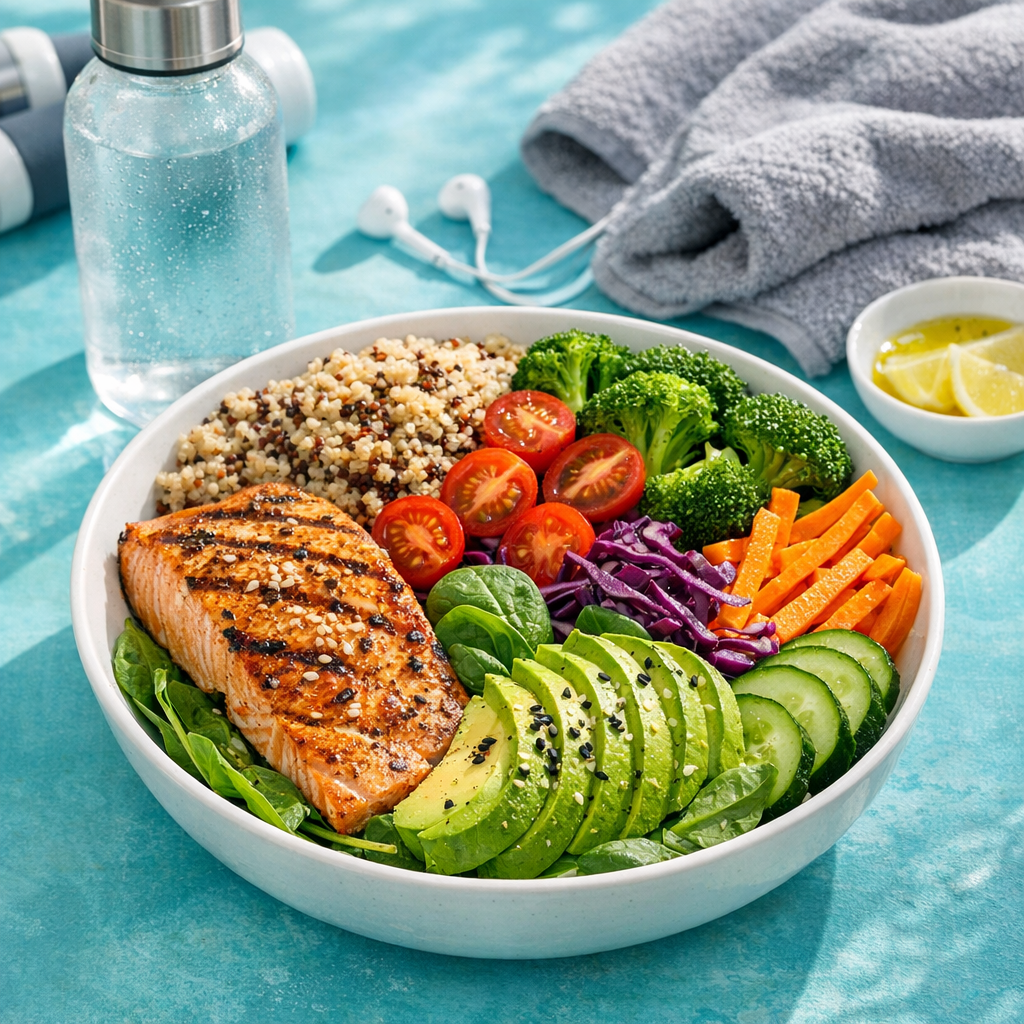
- Grilled salmon with quinoa, steamed broccoli, and avocado
- Stir-fried tofu, edamame, brown rice, and colorful bell peppers
- Egg and spinach omelet with roasted sweet potato and berries
- Turkey & bean chili with a spinach salad, drizzled with olive oil
Common Challenges and Solutions
- Time Constraints: Prep meals or keep healthy snacks (nuts, hummus, washed fruit, boiled eggs) handy to avoid processed food traps.
- Travel: Scout grocery stores, not just restaurants. Grab pre-cut veggies or rotisserie chicken on the go.
- Budget: Buy in bulk, focus on in-season produce, and leverage frozen fruits and vegetables for cost savings and convenience.
Expert Insights: What Sports Nutritionists Say
Top sports dietitians recommend minimizing added sugars and processed oils while emphasizing a whole-foods approach. For most athletes, simple swaps—such as steel-cut oats instead of instant oatmeal or a bowl of mixed berries instead of sugary snacks—can reduce inflammation and promote healing.
How PumpPal Supports Whole Food Nutrition Tracking
Tracking your food intake along with workouts adds a new dimension to recovery science. While PumpPal is designed to make workout tracking easy, syncing nutrition choices and recovery metrics over time can inform smarter training decisions. Use the app’s note and measurement features to observe which dietary patterns work best for you and your goals.
Conclusion: Make Whole Foods Your Performance Edge
There’s no shortcut to recovery, but prioritizing whole foods—both plant- and animal-based—offers a proven, science-backed route to faster recovery, reduced soreness, and improved results. Simple shifts in your diet can pay dividends in performance. Pair whole foods nutrition with detailed workout tracking using PumpPal to reach and exceed your training goals, sustainably.