

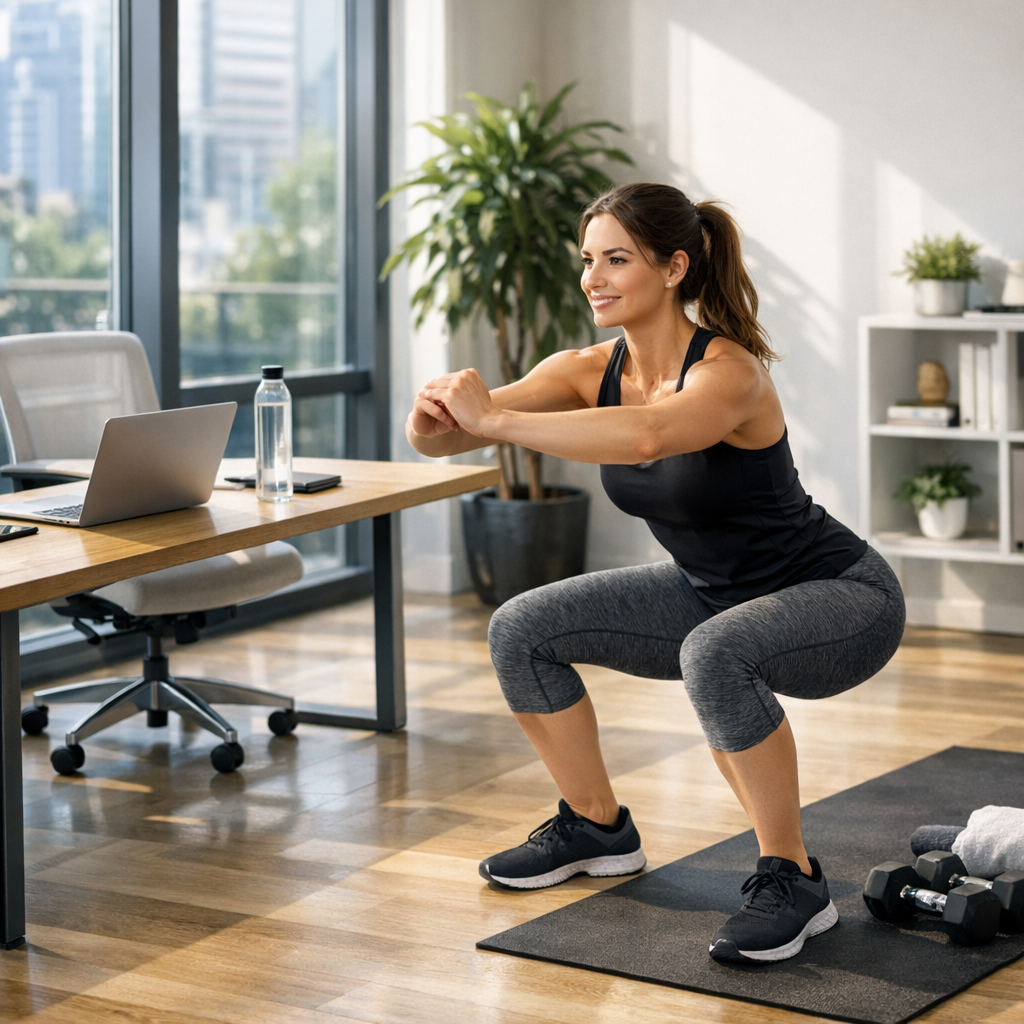
Optimizing Workout Routines for Busy Professionals: Science-Backed Strategies
Struggling to fit exercise into a packed workday? This guide unpacks the science behind time-efficient workout strategies for busy professionals who want real fitness results without spending hours at the gym.
Introduction: Fitness Meets a Packed Schedule
For millions of high-achieving professionals, carving out time for regular exercise can feel impossible. But the intersection of research and real-world scheduling proves that fitness doesn’t need hours each day. This blog post dives into the best workout routines and practical strategies designed specifically for busy professionals, without sacrificing long-term results or health.
Why Exercise Matters for Busy Professionals
The physical and mental demands of high-pressure jobs make regular exercise not just beneficial, but critical. Studies from the American Heart Association continue to confirm that physical activity reduces the risk of heart disease, type 2 diabetes, and improves cognitive function. Improved focus, productivity, reduced stress, and better sleep are bonuses that can level up your career, not just your physique.
Common Barriers to Working Out – And How to Overcome Them
- Time constraints: Commutes, meetings, and family dinners can leave you with little spare time.
- Fatigue: Long work hours often result in decreased energy for workouts.
- Lack of motivation: Without a clear plan, it’s easy to skip workouts entirely.
Each of these can be addressed with precise planning and leveraging evidence-based methods optimized for time efficiency.
Designing Efficient Workouts: What the Science Says
Prioritize Compound Movements
Compound exercises—moves like squats, bench presses, and rows—work multiple muscle groups at once, giving more results in less time. Research shows that a program centered on compound lifts builds muscle and burns calories more efficiently than isolating one muscle at a time.
Embrace High-Intensity Interval Training (HIIT)
HIIT involves short bursts of all-out effort followed by rest or lower-intensity exercise. Compared to continuous moderate cardio, HIIT has demonstrated equal (or superior) fat loss and cardiovascular benefits in half the total time.
Use Supersets and Circuits
A superset combines two exercises back-to-back with minimal rest. Circuits group several exercises together. According to multiple studies, these formats decrease total workout time, increase heart rate, and maintain intensity.
Sample Weekly Workout Routine
Here’s a practical, evidence-led schedule for busy professionals that requires only 30-35 minutes per session, three to four times per week:
- Day 1: Full-body strength training (squats, push-ups, bent-over rows, planks)
- Day 2: HIIT cardio (e.g., 25 seconds all-out cycling, 90 seconds recovery x 8)
- Day 3: Rest or light mobility/yoga
- Day 4: Full-body circuit (lunges, overhead press, pull-ups or assisted, leg raises)
- Day 5: Optional brisk walk or brief cardio
This approach maximizes time efficiency while ensuring adequate recovery. Use a workout tracker (like PumpPal) to plan, record, and monitor every session to eliminate guesswork and stay accountable.
Integrating Fitness with a Busy Lifestyle
Schedule Workouts Like Meetings
Treat your workouts as non-negotiable calendar events. Consistency becomes easier when exercise is a scheduled appointment.
Optimize Your Environment
Keep a set of dumbbells, resistance bands, or a yoga mat in your office or living room. Small changes to your environment—such as keeping gym shoes near your bag—reduce friction and excuse-making.
Stack Habits
Link your workout to an existing behavior, such as using the first 10 minutes after you log off work for a quick circuit. This anchors exercise to habits you already do daily.
Nutritional Considerations for Busy Professionals
Even with quick workouts, nutrition remains crucial for energy, recovery, and best results. Opt for meal prepping on weekends, stock high-protein and fiber-rich snacks at your desk, and prioritize hydration during busy days. Use tools and apps to log nutrition efficiently, saving mental bandwidth.
Staying Consistent: Tracking Progress and Staying Motivated
Visibility Drives Motivation
Using a workout tracking app or keeping progress photos makes your efforts tangible. Visual reminders of your improvements inspire future action and reinforce the benefits, even when motivation dips.
Review and Reflect
At the end of each week, review your activity and identify what worked or what could be refined next week. This iterative process turbocharges progress and creates lifelong fitness habits.
Conclusion: Make Fitness Fit Your Life
Busy professionals don’t need to sacrifice health for career success. By implementing efficient, science-supported strategies, fitness can be a sustainable, energizing part of even the most jam-packed schedule. Begin by scheduling a session this week, track it, review your results regularly, and reap the benefits—in and out of the office.