

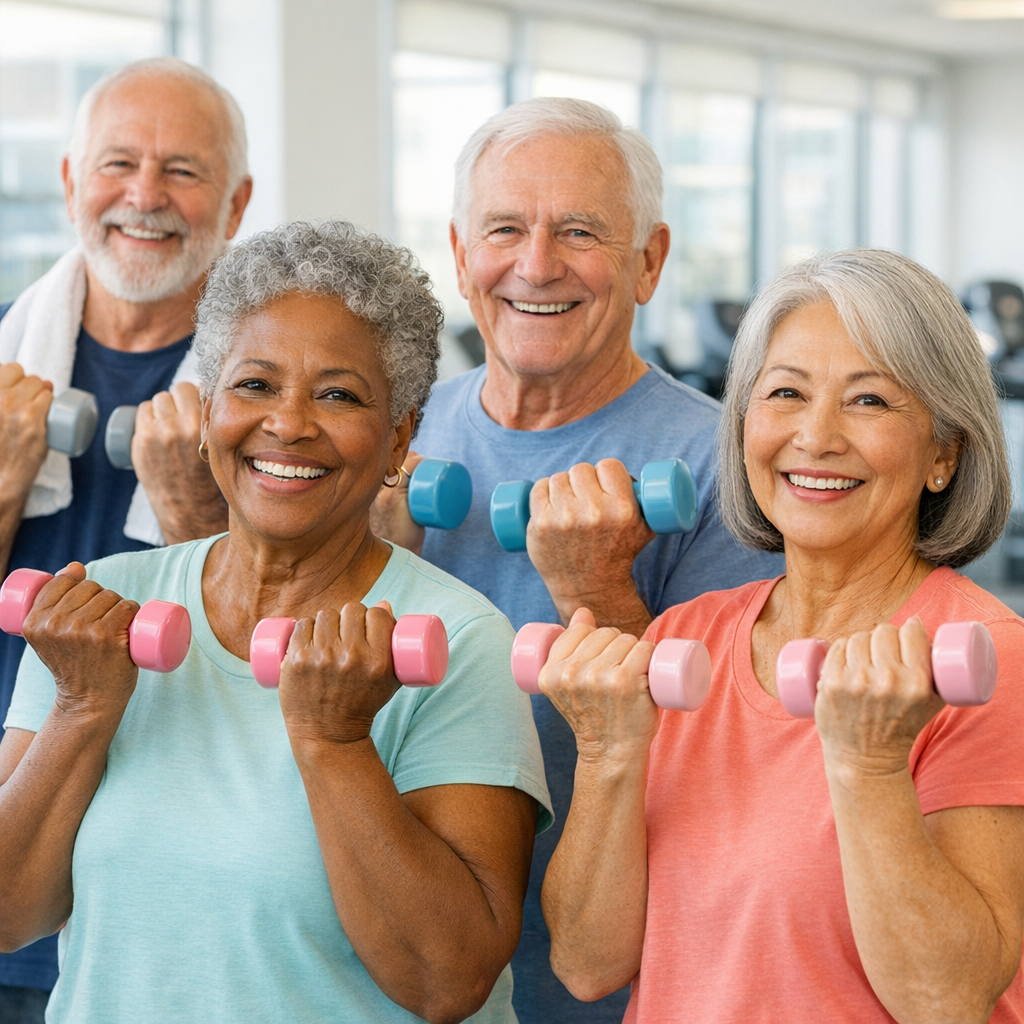
How Consistent Strength Training Supports Healthy Aging
By PumpPal Updated 3 min read
Strength training is one of the most effective longevity tools. Learn how lifting weights can enhance physical function, fight age-related decline, and support your vitality—no matter your age.
Introduction: The Power of Strength Training as We Age
Aging is a natural process, but how we age is increasingly within our control. Among the most powerful ways to support healthy aging is through strength training. Resistance exercise does much more than build muscle—it preserves bone density, improves balance, reduces chronic disease risk, and enhances quality of life well into our later years. In this in-depth guide, we’ll explore why strength training is essential across the lifespan, how to start safely, and how to maximize long-term benefits for your body and mind.
Why Strength Training Is Essential for Longevity
Research consistently links regular resistance training to:
- Slower muscle and bone loss (sarcopenia and osteoporosis)
- Decreased risk of falls and fractures
- Improved insulin sensitivity and metabolic health
- Better joint health and flexibility
- Enhanced cognitive function and mood
One large Harvard study found that people who performed strength training twice per week had a 46% lower risk of all-cause mortality compared to those who did not. The CDC and World Health Organization both recommend regular resistance training for adults of all ages.
The Science: How Muscle Strengthens Body and Mind
Aging comes with hormonal changes and reductions in neuromuscular efficiency. After age 30, adults lose 3-8% of muscle mass per decade. Less muscle means more difficulty with everyday activities, increased injury risk, and slower metabolic rates. Resistance training triggers muscle protein synthesis, combats age-related decline, and improves neuroplasticity in the brain. The result? Greater independence, sharper memory, and improved well-being.
Getting Started: Safe Resistance Training at Any Age
You do not need to lift heavy or use complex equipment to benefit. In fact, for those 50+, the emphasis should be on quality movement, proper technique, and gradual progression.
- Consult a healthcare provider before starting if you have chronic conditions or are new to exercise.
- Begin with bodyweight exercises (squats, push-ups, lunges) and resistance bands.
- Focus on compound movements that target multiple muscle groups.
- Train 2-3 days per week on non-consecutive days.
- Progress gradually by increasing resistance, reps, or sets as you adapt.
- Include mobility and stretching to maintain range of motion.
Sample Strength Training Routine for Aging Adults
Here’s a basic weekly structure to build confidence and strength:
- Day 1: Full-body resistance (squats, chest press, seated row, shoulder press), 2 sets of 8-12 reps each
- Day 2: Walking, light cycling, or yoga to promote recovery
- Day 3: Full-body resistance (step-ups, lat pulldown, leg curl, biceps curl), 2 sets of 8-12 reps each
- Day 4: Stretching, balance drills, or easy movement
Gradually increase challenge as your fitness improves. Consider working with a certified trainer for personalized programming.
Special Considerations and Adaptations
- Joint Pain or Arthritis: Use shorter ranges of motion, lighter resistance, and prioritize comfort.
- Osteoporosis: Focus on weight-bearing and balance exercises to prevent falls.
- Cardiovascular Concerns: Build intensity slowly and monitor heart rate during exercise.
- Limited Mobility: Seated or assisted exercises can be highly effective.
Tracking Progress for Motivation
Consistency is the secret to lasting results. Apps like PumpPal make it easy to log workouts, track strength improvements, monitor body measurements, and celebrate wins along the way. Visual tracking helps maintain motivation over years, not just weeks.
Conclusion: Stronger for Life
No matter your current age or fitness level, it’s never too late to begin. Even a modest commitment to strength training can transform physical function, reduce disease risk, and boost mental clarity. Prioritize movement, progress gradually, and harness technology to track your journey. The best years of strength, vitality, and independence can still be ahead.