

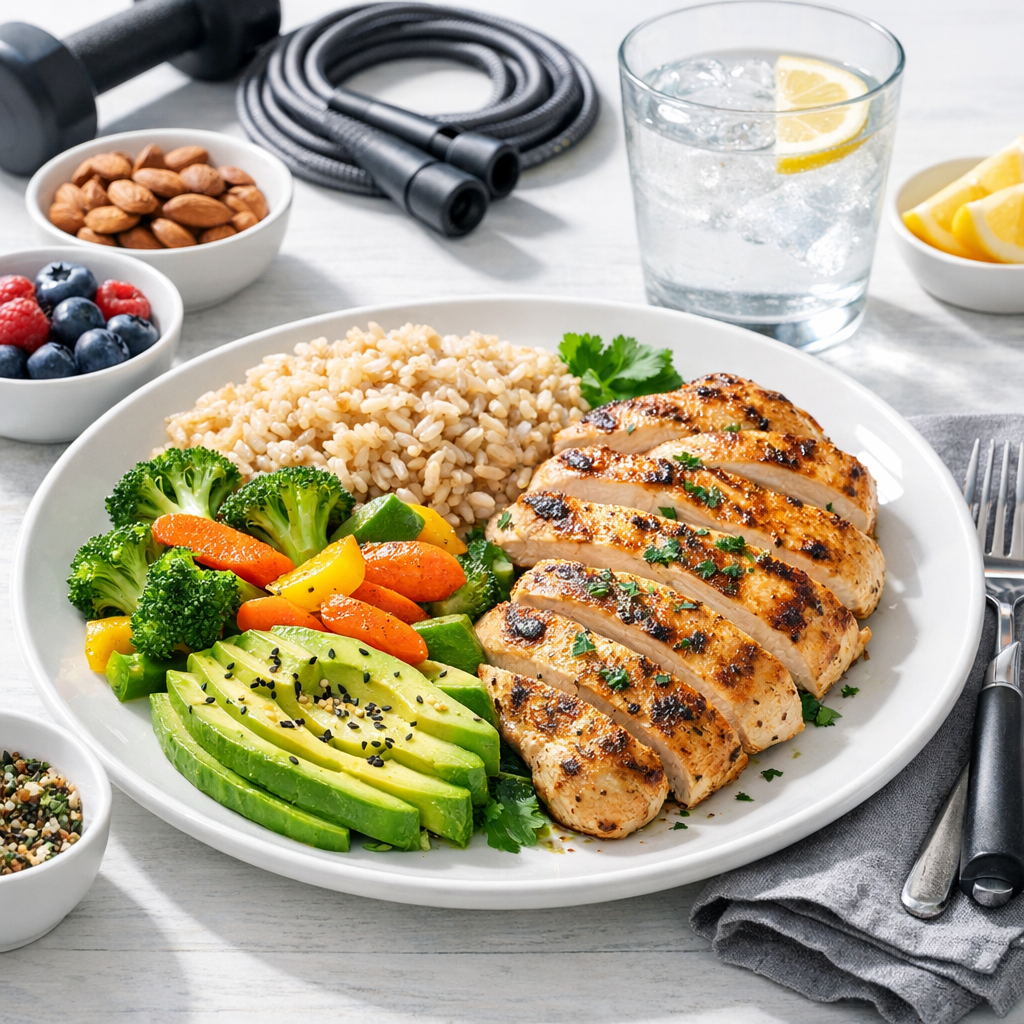
Macronutrients Demystified: The Role of Carbs, Protein, and Fats in Muscle Building and Fat Loss
By PumpPal Updated 3 min read
Confused by fitness nutrition? This comprehensive guide breaks down the role of macronutrients—protein, carbs, and fats—in building muscle and burning fat, with actionable tips to fine-tune your diet for success.
Understanding Macronutrients for Muscle Gain and Fat Loss
If you want to build muscle or burn fat, nailing your workout plan is only half the battle. The other: mastering your macronutrients. Protein, carbohydrates, and fats each serve a unique purpose in your body’s composition journey. Here’s how to use them strategically.
Protein: The Foundation of Muscle Building
Protein is essential for muscle repair, growth, and maintenance. When you train, you create tiny tears in your muscle fibers. Protein delivers the amino acids your body needs to repair and grow bigger, stronger muscles.
- How much do you need? A good start is 1.6–2.2 grams per kilogram of bodyweight for muscle gain. Even for fat loss, higher protein supports lean mass retention.
- Include a variety: chicken, beef, fish, eggs, dairy, tofu, lentils, beans.
Carbohydrates: Fuel For High-Intensity Performance
Carbs are the body’s preferred energy source, especially during strength and high-intensity sessions. Adequate carbs before and after workouts can improve performance, speed up recovery, and fuel muscle growth by supporting insulin’s anabolic effects.
- How much do you need? For active individuals: 3–7 grams/kg bodyweight daily, depending on volume. Fat loss diets can lower carbs, but extremely low carb isn’t recommended for most lifters.
- Prioritize complex carbs: oats, whole grains, potatoes, rice, fruit.
Fats: Hormonal and Cellular Support
Dietary fats are vital for hormone production, cell structure, and absorbing fat-soluble vitamins (A, D, E, K). Too-low fat intakes can hinder testosterone, impair recovery, and even disrupt nervous system function.
- How much do you need? 20–35% of your daily calories is ideal; focus on healthy fats—fatty fish, nuts, seeds, olive oil, avocado.
How to Set the Right Macros: A Step-by-Step Example
- Determine calorie needs: Use an online calculator or track your intake with PumpPal’s nutrition log features.
- Protein first: Set 1.6–2.2 g/kg. Example: 80 kg lifter = 130–175g protein daily.
- Fat second: Assign 25–30% of calories to fats. Prioritize omega-3s and unsaturated fats.
- Fill in carbs: Use remaining calories for carbohydrates, supporting training and recovery needs.
How PumpPal Makes Tracking Your Macros Easy
With PumpPal’s integrated logging features, visualize your daily macro intake alongside your workouts and progress. Track meals, macros, and see which nutritional tweaks drive results faster.
Macronutrients for Different Fitness Goals
- Bulking/muscle gain: Prioritize a small caloric surplus, keep protein high, and bump up carbs to fuel workouts.
- Cutting/fat loss: Create a moderate calorie deficit, increase protein, maintain healthy fat, reduce carbs slightly from your gain-phase numbers for satiety and muscle retention.
Common Mistakes: What to Avoid
- Undereating protein during fat loss slows progress and leads to muscle loss.
- Cutting carbs too low zaps energy and tank workouts.
- Eliminating all fats leads to low mood and hormonal imbalance.
Fine-Tune Your Nutrition
Macronutrient needs aren’t one-size-fits-all. Monitor your progress, use tools like PumpPal to track changes, and adjust macros as your body responds. Consistency and small tweaks help you build muscle, stay lean, and maximize every rep and meal.
Ready to Optimize Your Fuel?
Download PumpPal to track your macros, workouts, and body measurements—all in one place—so you can crush your health and fitness goals, meal after meal and set after set.