

Walking (Outdoors) exercise
A low-impact, steady-state cardio exercise that promotes heart health, fat burning, and recovery. Great for beginners and active recovery days, walking outdoors also supports mental well-being through exposure to fresh air and nature.
Updated By PumpPal
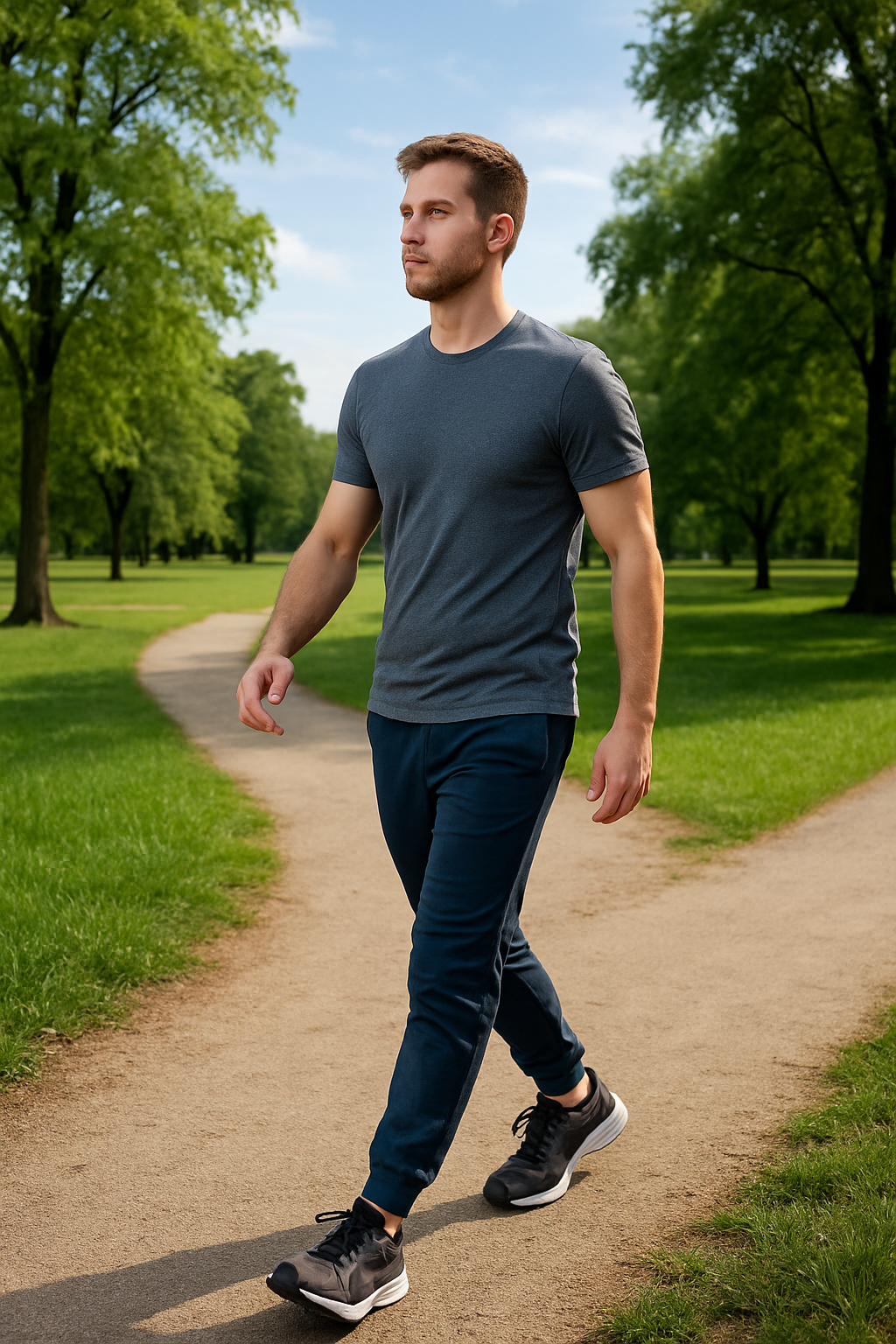
How to perform Walking (Outdoors)
- Choose a safe outdoor path such as a sidewalk, park trail, or walking track.
- Wear comfortable, supportive shoes and weather-appropriate clothing.
- Start at a steady pace, swinging your arms naturally and maintaining upright posture.
- Breathe evenly and walk briskly enough to slightly elevate your heart rate.
- Stay aware of your surroundings and hydrate as needed during longer walks.
- Cool down by gradually reducing your pace toward the end of your walk.
What is Walking (Outdoors)?
Outdoor walking is low-impact aerobic exercise performed on sidewalks, tracks, paths, or trails. Pace, terrain, incline, and duration can be adjusted for general activity, aerobic fitness, recovery, or a gradual return to exercise.
What muscles does Walking (Outdoors) work?
The glutes, quadriceps, hamstrings, calves, hip flexors, and muscles of the feet produce each stride. The abdominal wall, spinal stabilizers, upper back, and arms support posture, balance, and natural arm swing.
Walking (Outdoors) form cues and common mistakes
- Choose a familiar, well-lit route with a stable surface and account for traffic, crossings, weather, heat, cold, and available daylight.
- Wear supportive footwear and visible, weather-appropriate clothing, and carry water when distance or conditions make it useful.
- Stand tall with a relaxed gaze, let the arms swing naturally, and use a comfortable stride instead of reaching far ahead with each step.
- Use the talk test to set intensity: an easy pace allows full conversation, while a brisk pace makes speech shorter but still controlled.
- Slow down or stop for chest pain, faintness, unusual shortness of breath, loss of balance, or pain that changes your walking pattern.
How to add Walking (Outdoors) to a workout
Start with 10 to 30 minutes at a comfortable pace on 3 to 6 days per week. Add about 5 minutes to selected walks before increasing speed, hills, or uneven terrain. Include easy walking days when using it for recovery.
Frequently asked questions
What is a good pace for outdoor walking?
Use a pace that matches the goal. Easy walking should allow full conversation; brisk walking should raise breathing while still letting you speak in short sentences.
How long should I walk outdoors for exercise?
Begin with 10 to 30 minutes you can repeat comfortably. Build duration gradually toward your weekly activity goal before adding more speed, hills, or difficult terrain.
Is outdoor walking good for recovery days?
Yes. Easy walking can add light movement without much fatigue. Keep the pace conversational and shorten the route if soreness or fatigue changes your normal stride.
Use controlled movement and an appropriate variation for your current ability. Stop if an exercise causes sharp pain, and seek qualified guidance when needed.